Sonic AI
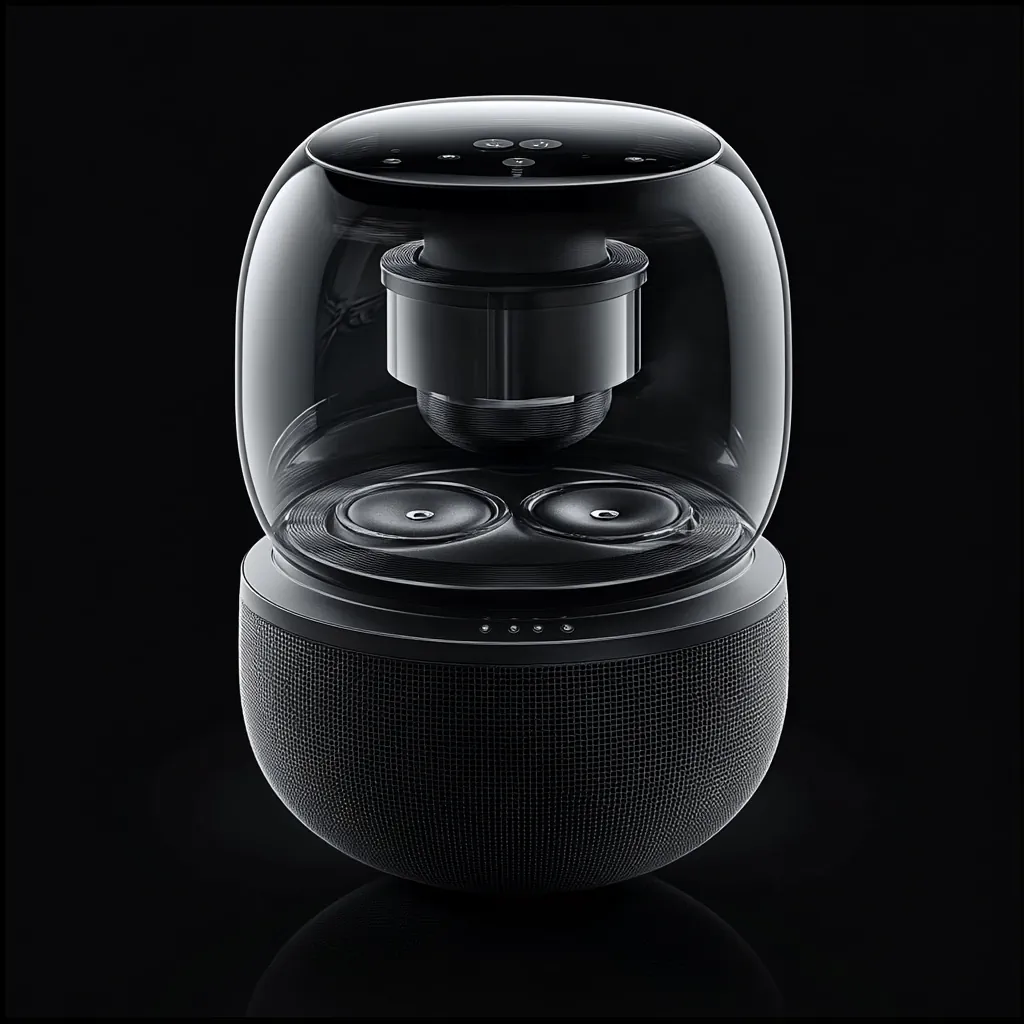
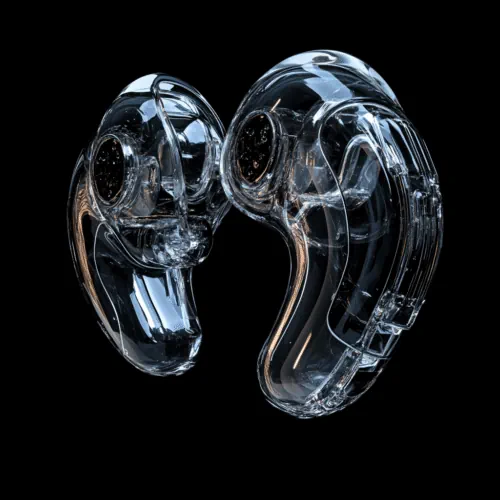
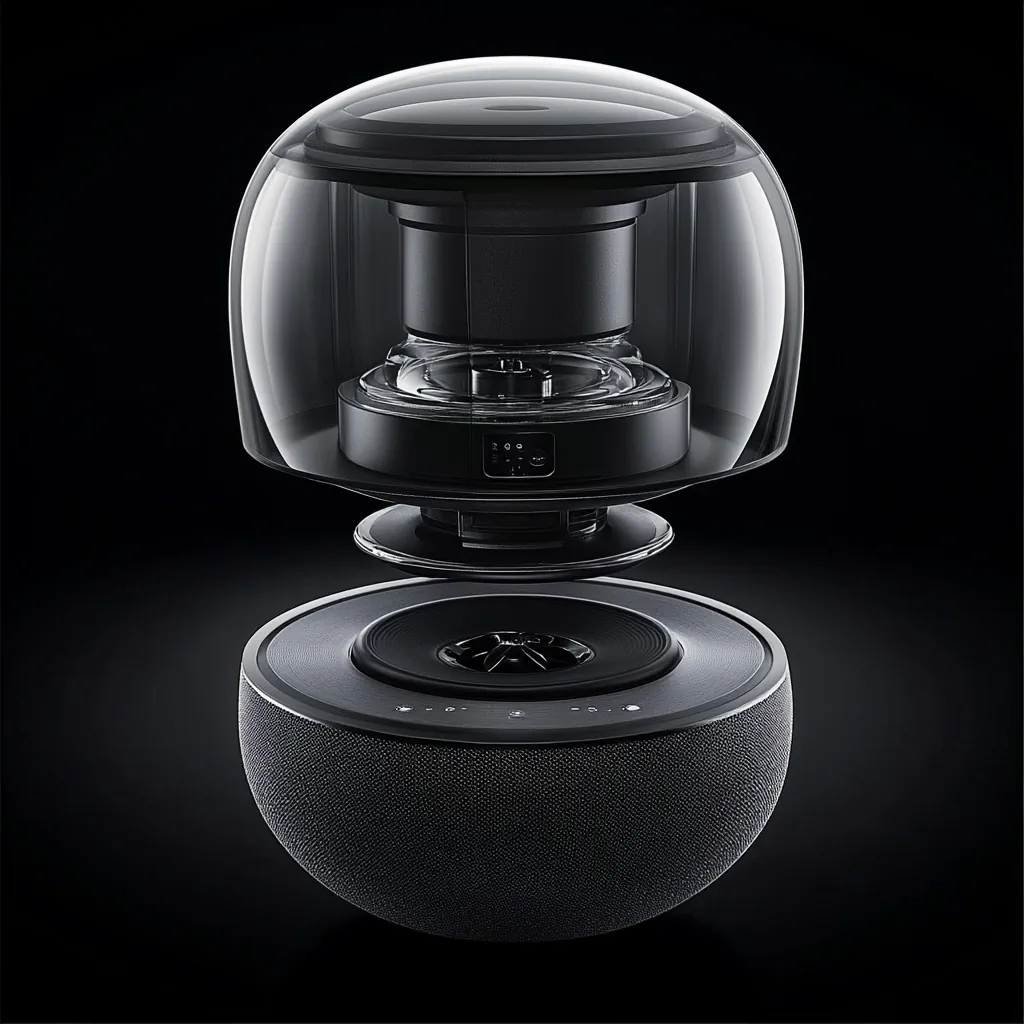
Sonic AI explores new territories where sound, intelligence, and the human body converge.
The concepts imagine audio devices that go far beyond traditional speakers or earphones: hybrid forms where AI processes environmental cues, biometric vibrations, and contextual data in real time. These objects reinterpret how sound is generated, perceived, and shaped—no longer as a simple output, but as a dynamic feedback loop between machine and user. In this speculative landscape, form and function evolve together, opening pathways for deeply personalized and adaptive sonic experiences.
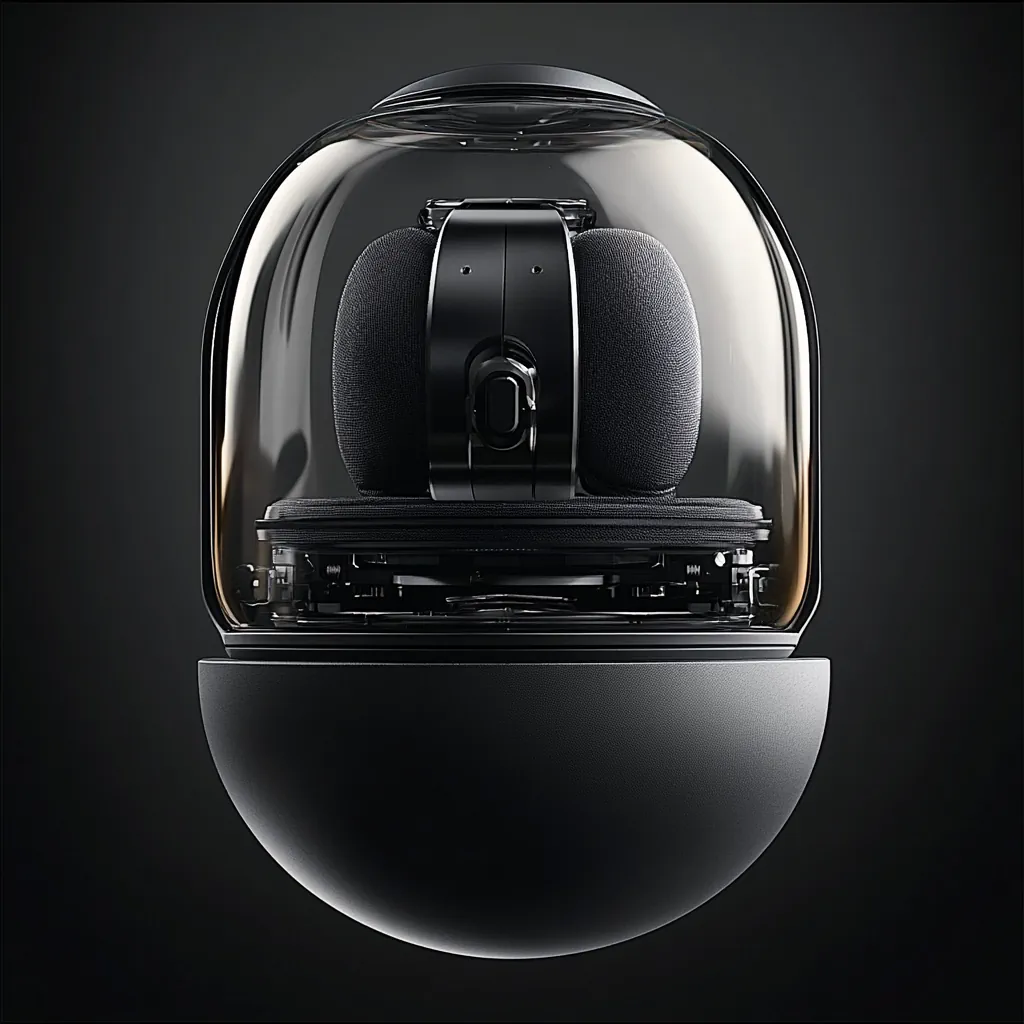


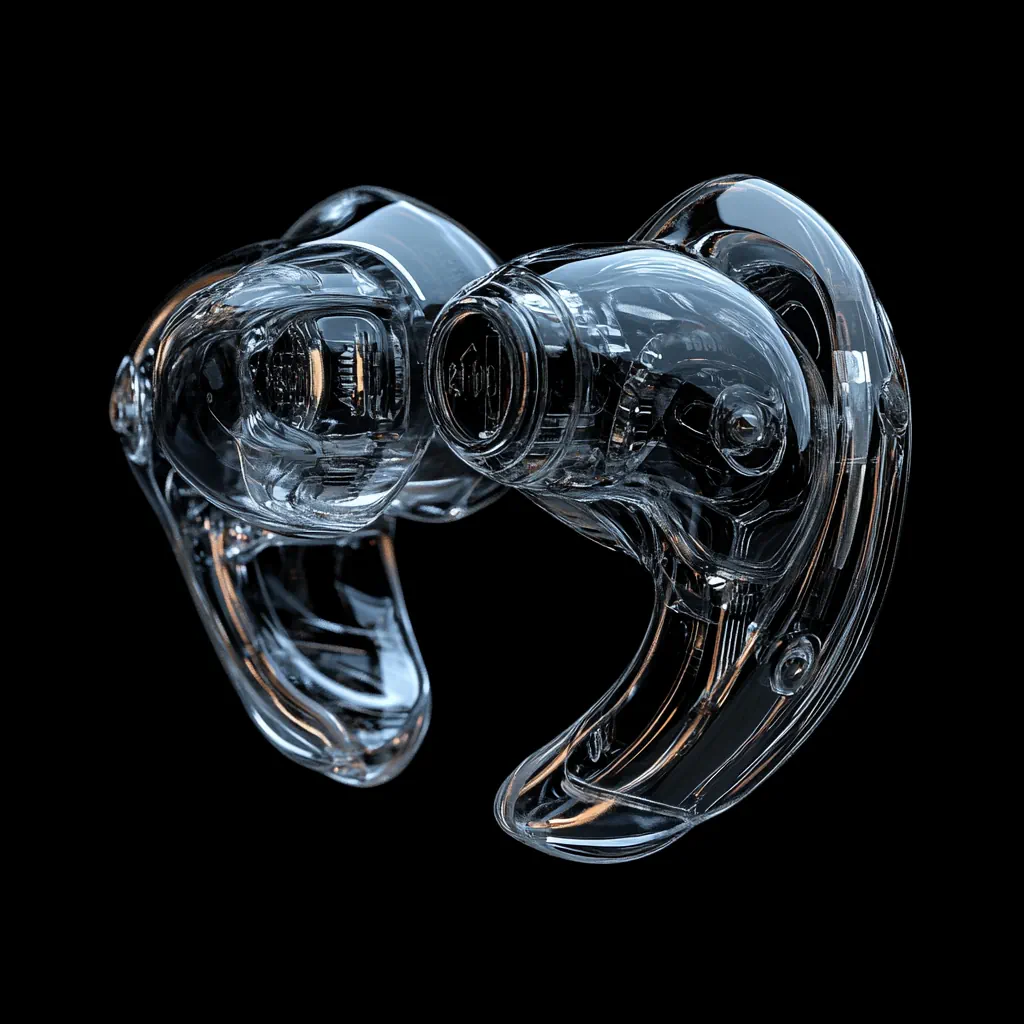


Each concept rethinks the relationship between listening, sensing, and interacting.
Wearables analyze micro-gestures, posture, or bodily resonance; compact speakers respond to ambient signals or spatial patterns; hybrid devices learn from usage, transforming their behaviour as conditions shift. The design language, generated and refined through AI and data science workflows, treats sound as a structural material—an active element capable of informing geometry, surface behavior, and movement. Instead of fixed typologies, these objects describe fluid systems that adapt through computation.