Furniture Fab+
This body of work originates from the development of an advanced design-tech pipeline that redefines the way contemporary furniture concepts are generated, validated and transformed into prototyped artefacts. The process is conceived as a hybrid framework that integrates data-driven research, AI-assisted form exploration and parametric modelling, enabling a fluid transition from conceptual imagery to manufacturable 3D structures.
The workflow begins with an evidence-gathering phase, in which text-mining and visual analysis tools process large corpora of precedents, material logics, user requirements and emerging aesthetic signals. Instead of relying on trends filtered through intuition alone, the system extracts computationally verifiable patterns that inform the formal direction and structural logic of the project.
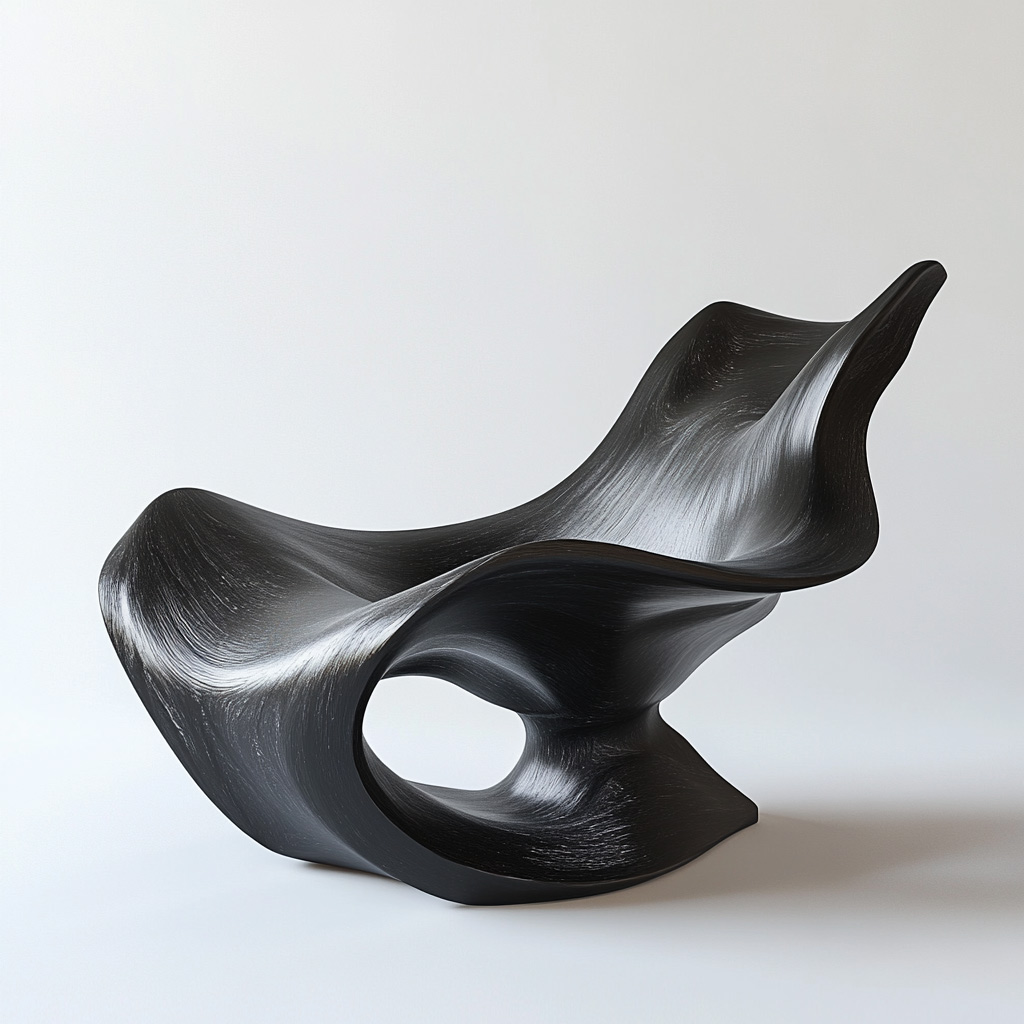
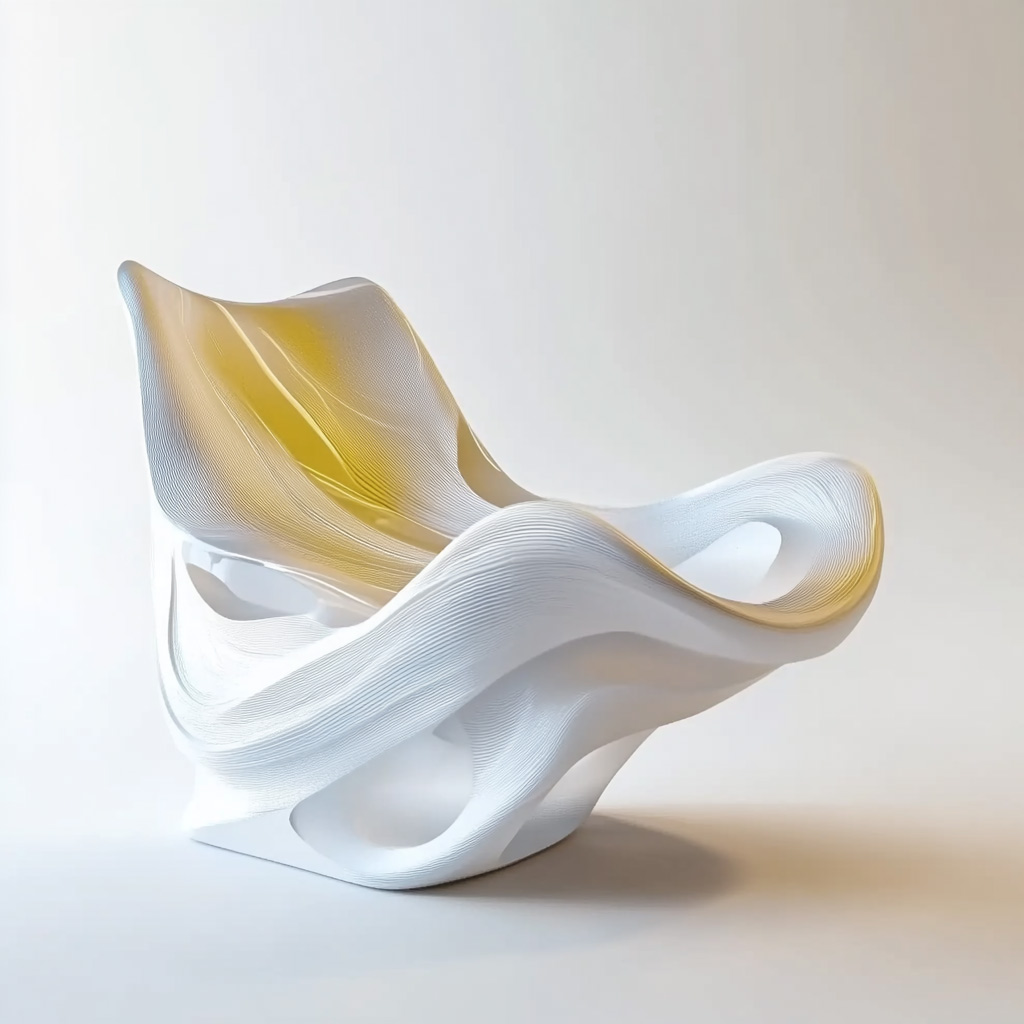
These insights are then translated into AI-generated 2D explorations, producing a wide field of visual hypotheses. The AI is used not as a stylistic patch or moodboard generator, but as an “ideation accelerator” capable of mapping the design space rapidly, exposing multiple variations and latent directions that would be too time-consuming to arrive at through traditional sketch-based iteration.
In the next stage, selected visual outcomes are reinterpreted inside a parametric modelling environment, where form, proportion and structural continuity are rebuilt from first principles. Here, geometry becomes programmable: relationships are embedded rather than drawn, enabling fabrication constraints, material behaviour and ergonomic feedback to be integrated early in the process.
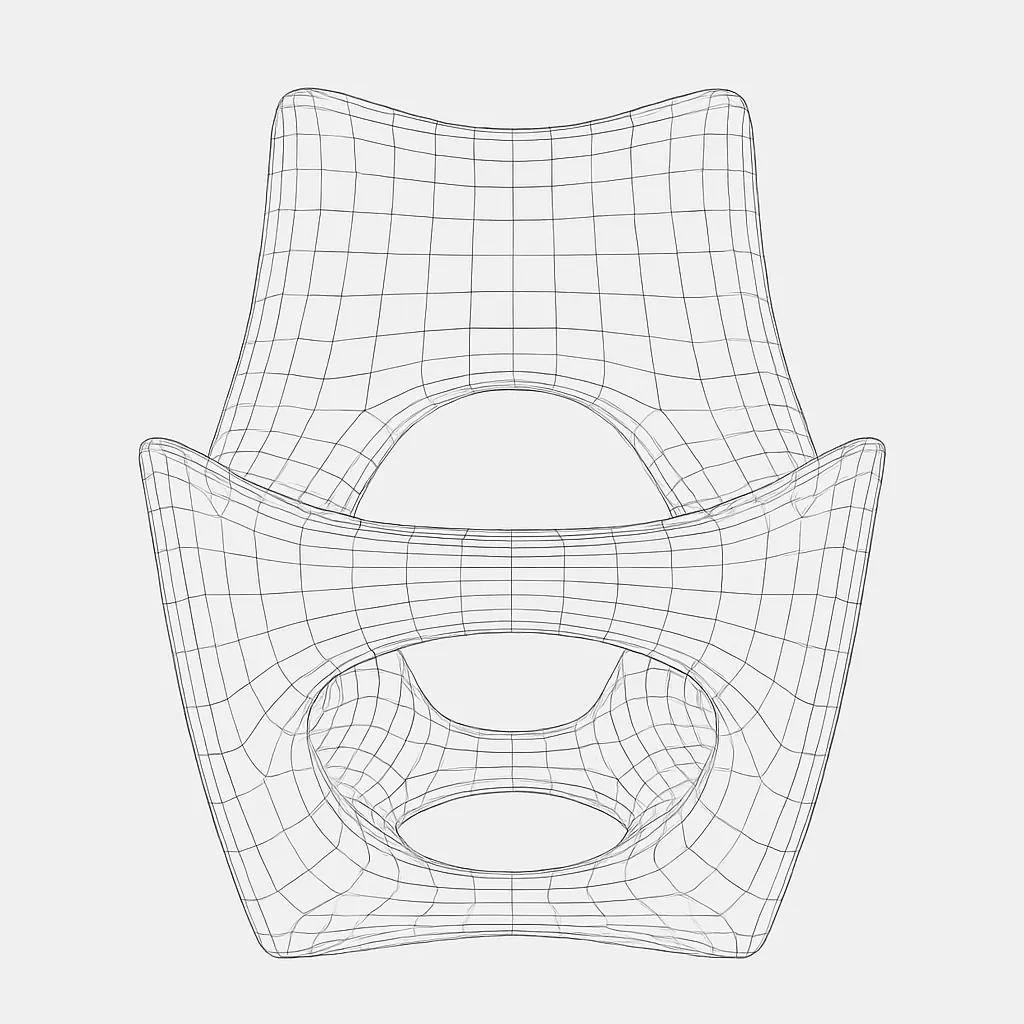
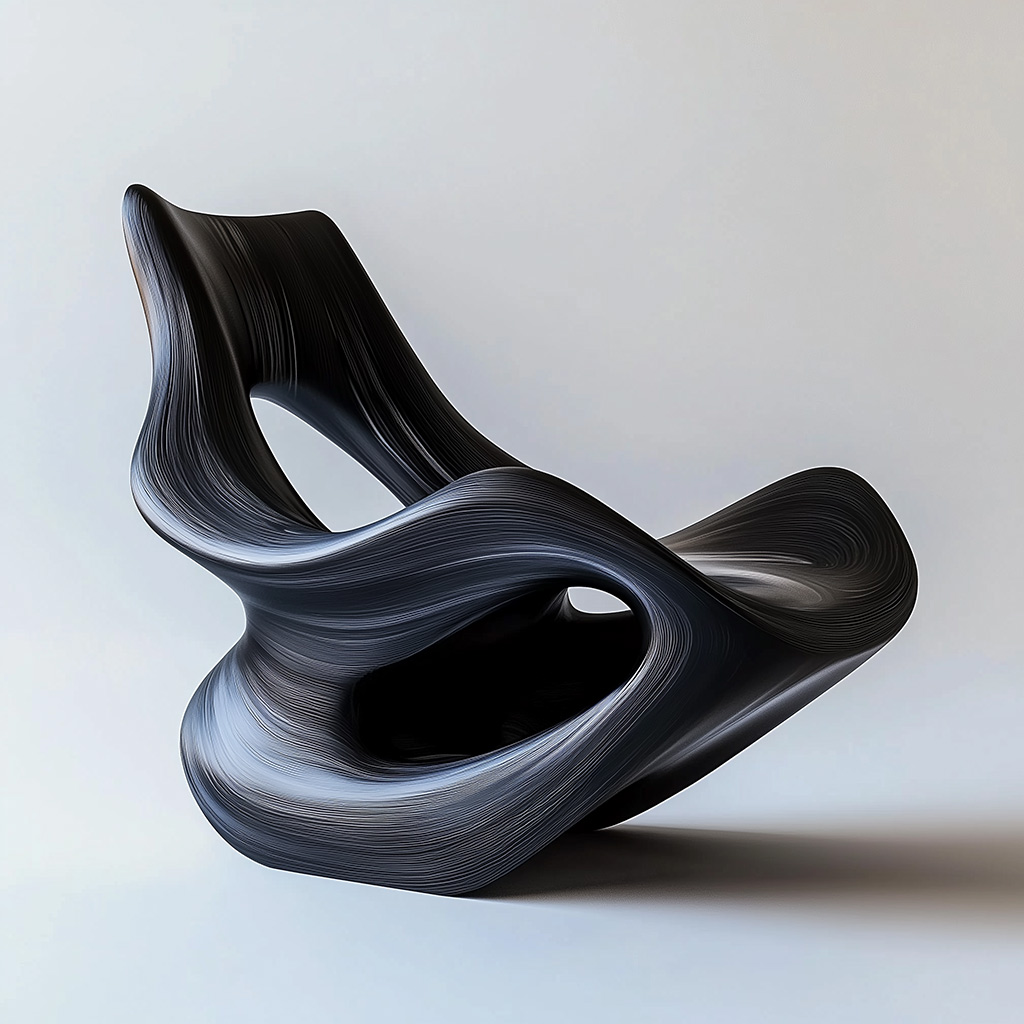
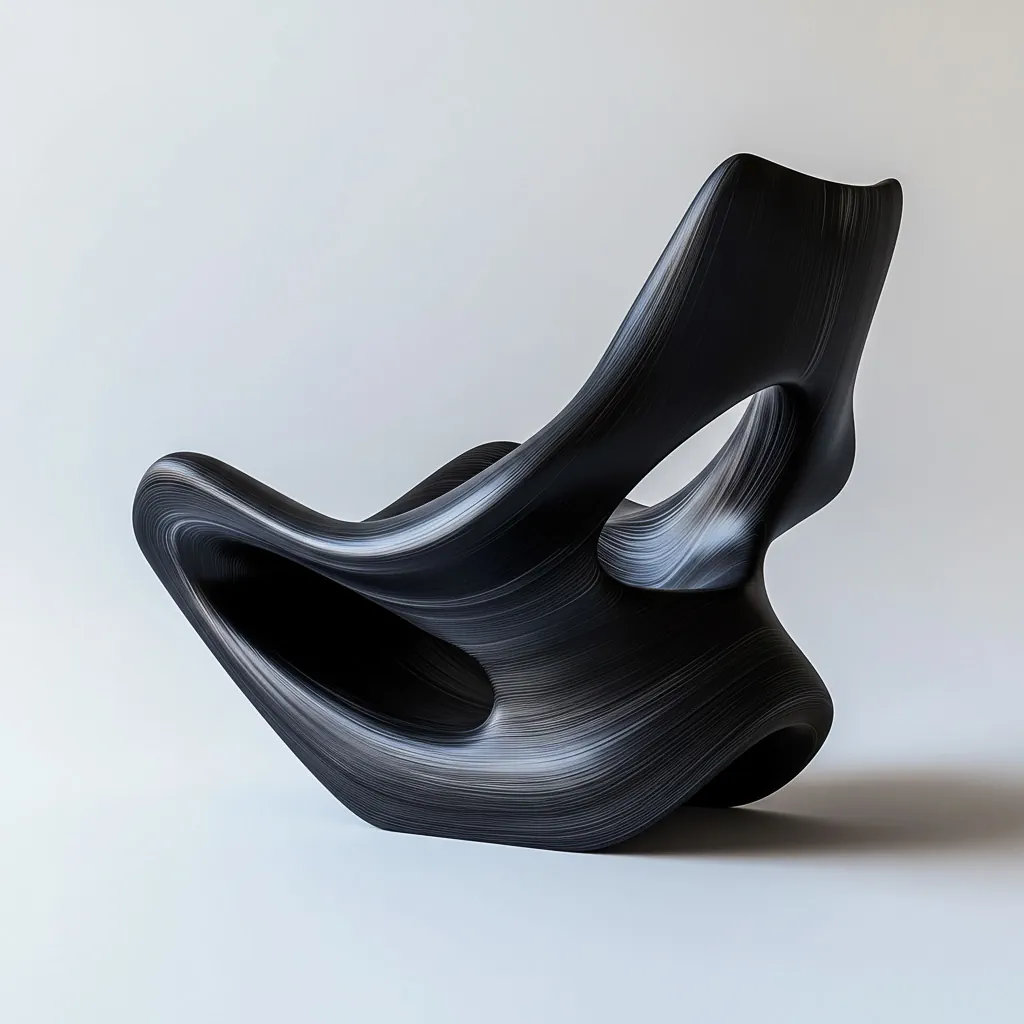
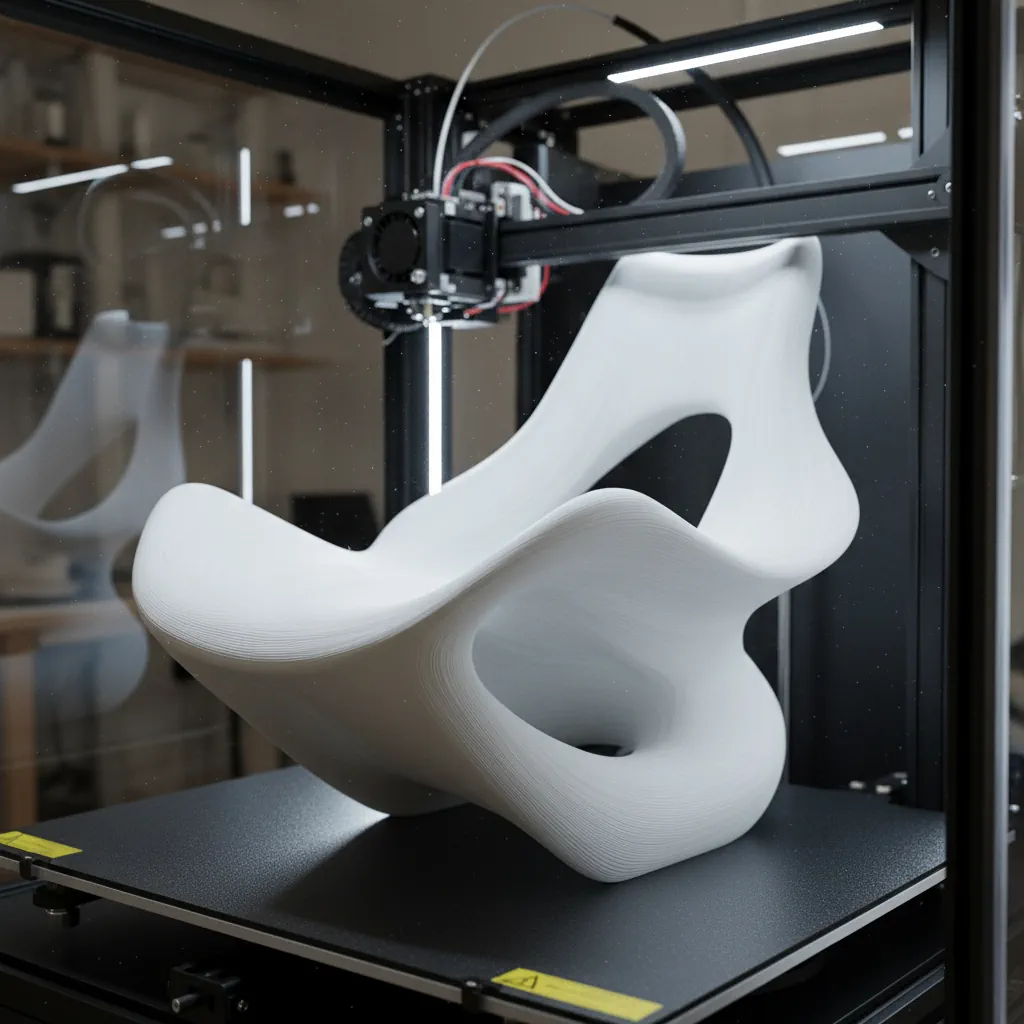
Once validated computationally, the models move into rapid prototyping through 3D printing, allowing immediate physical testing of touchpoints, assembly logic and spatial presence. This bridge between digital and tangible output drastically reduces the number of design cycles required to reach feasibility, shortening the gap between concept and engineering.
The goal of the process is not merely to accelerate production, but to introduce a new organisational logic for design:
-
requirements are incorporated upstream rather than “fixed later”;
-
validation becomes computational rather than speculative;
-
iteration becomes non-destructive and multi-branch;
-
and manufacturability is embedded directly inside the creative act.
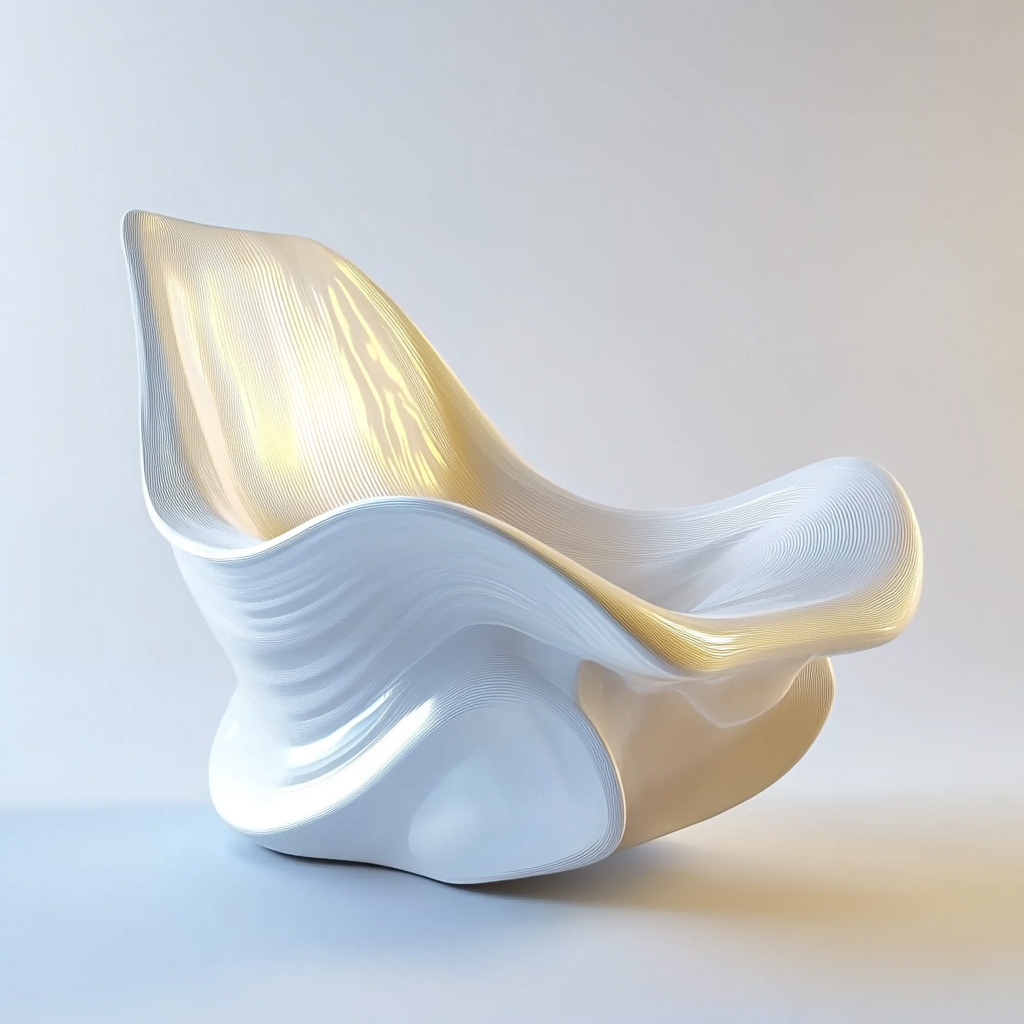
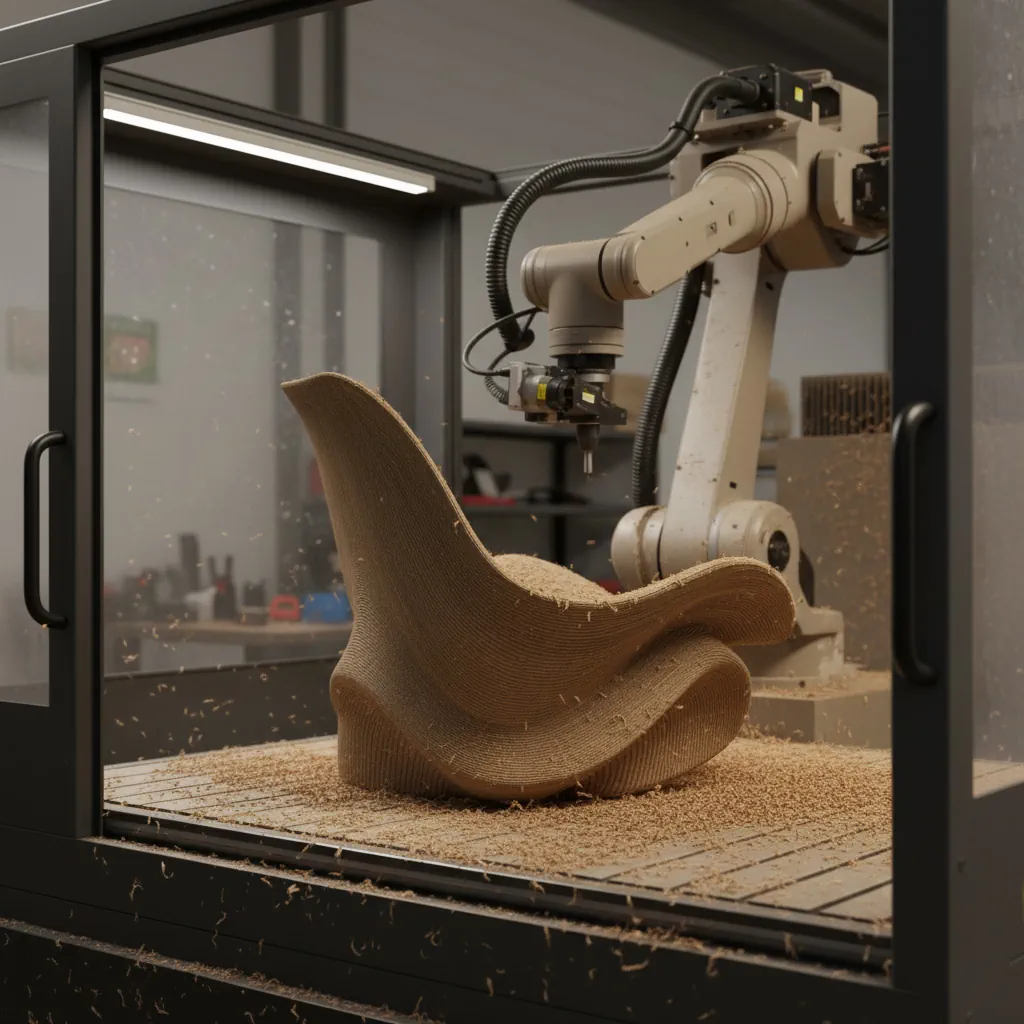
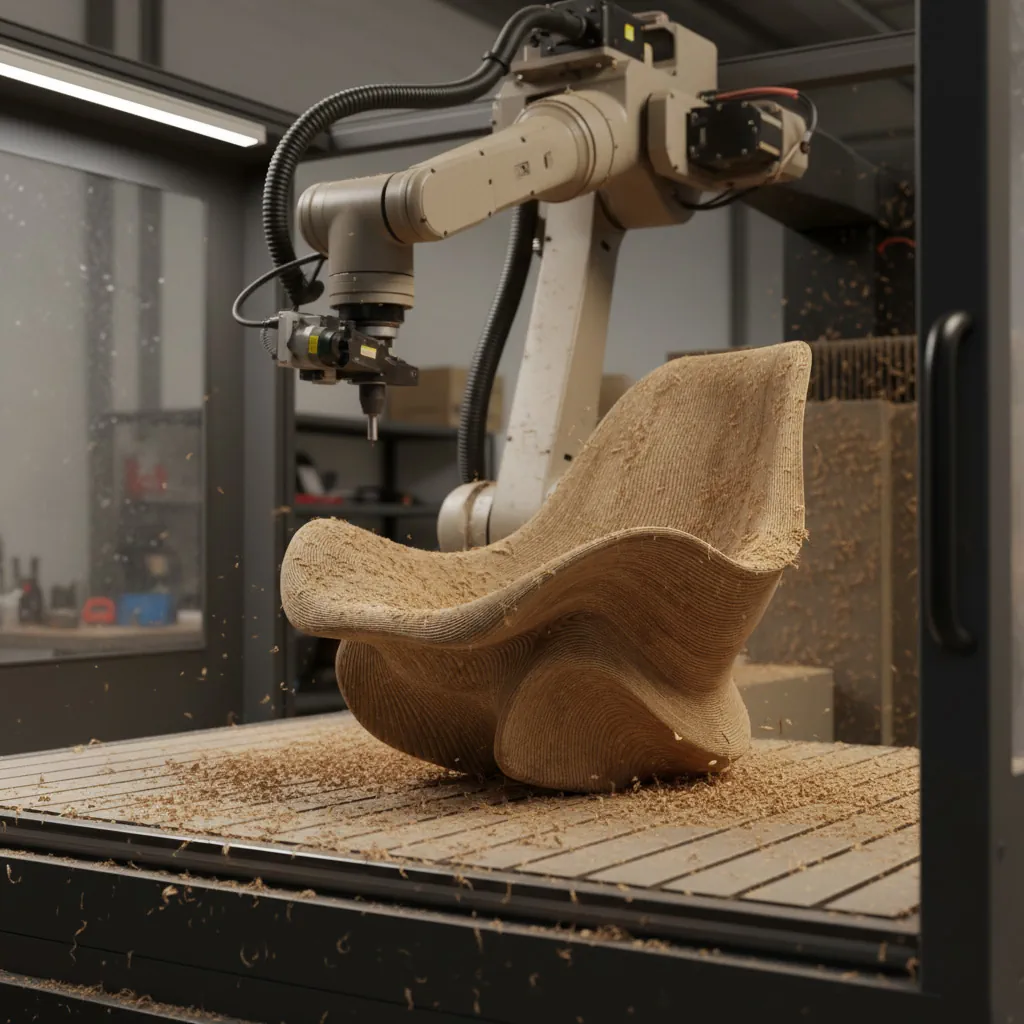
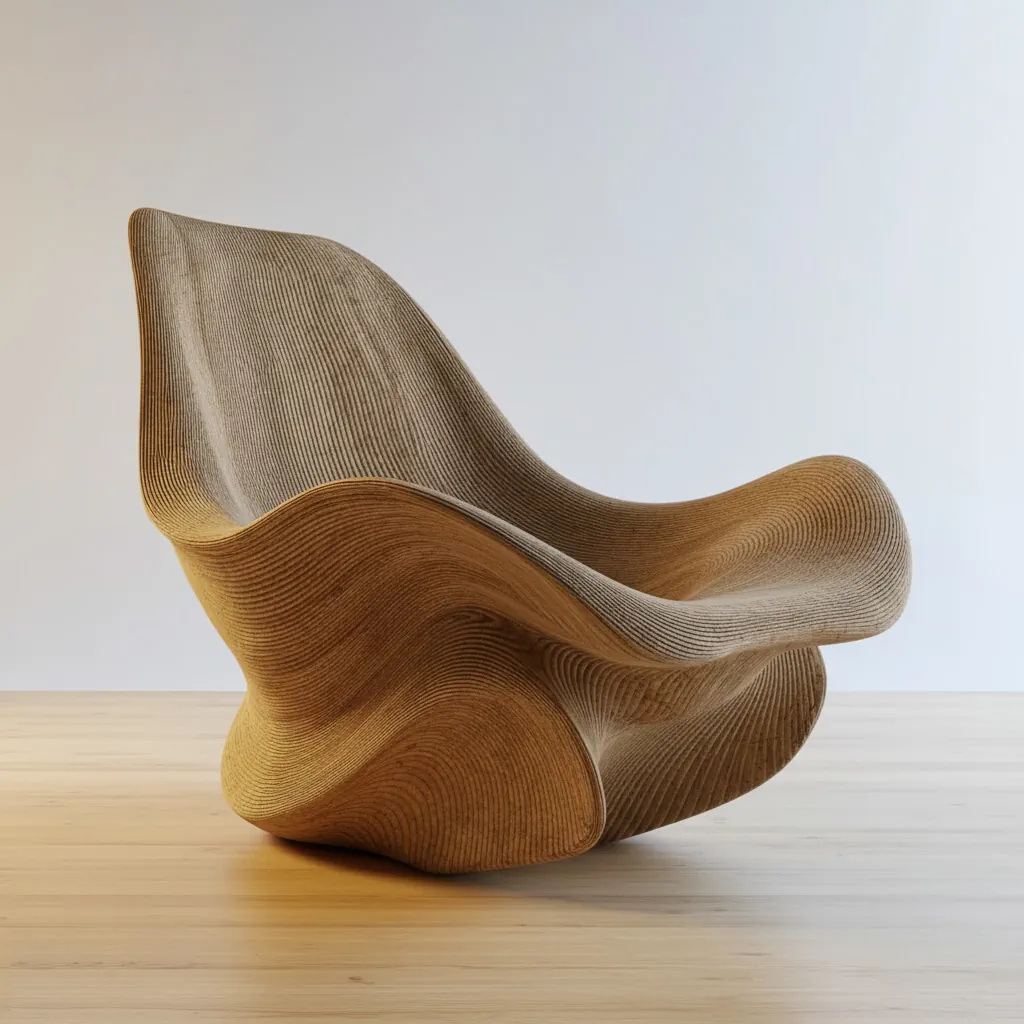
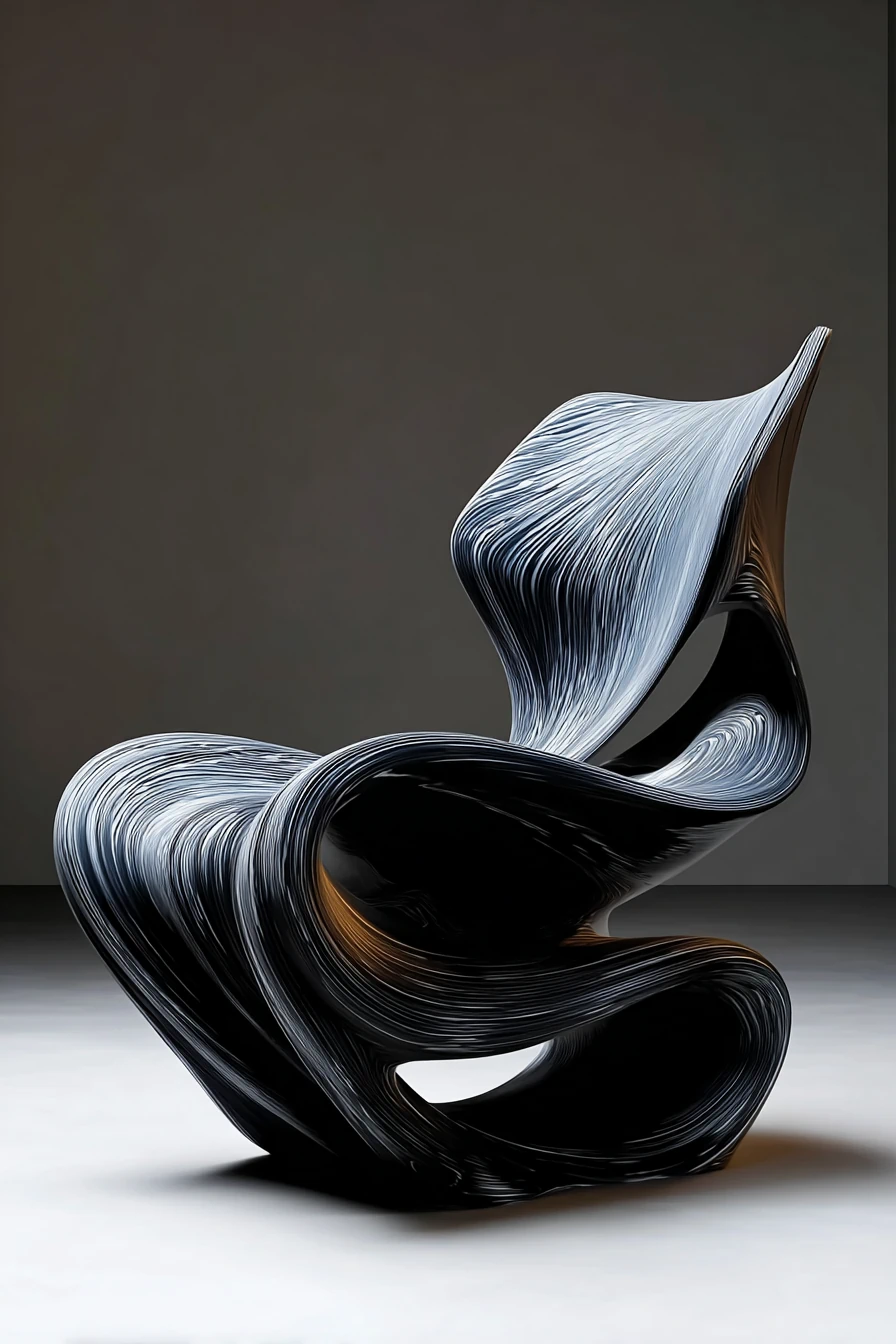
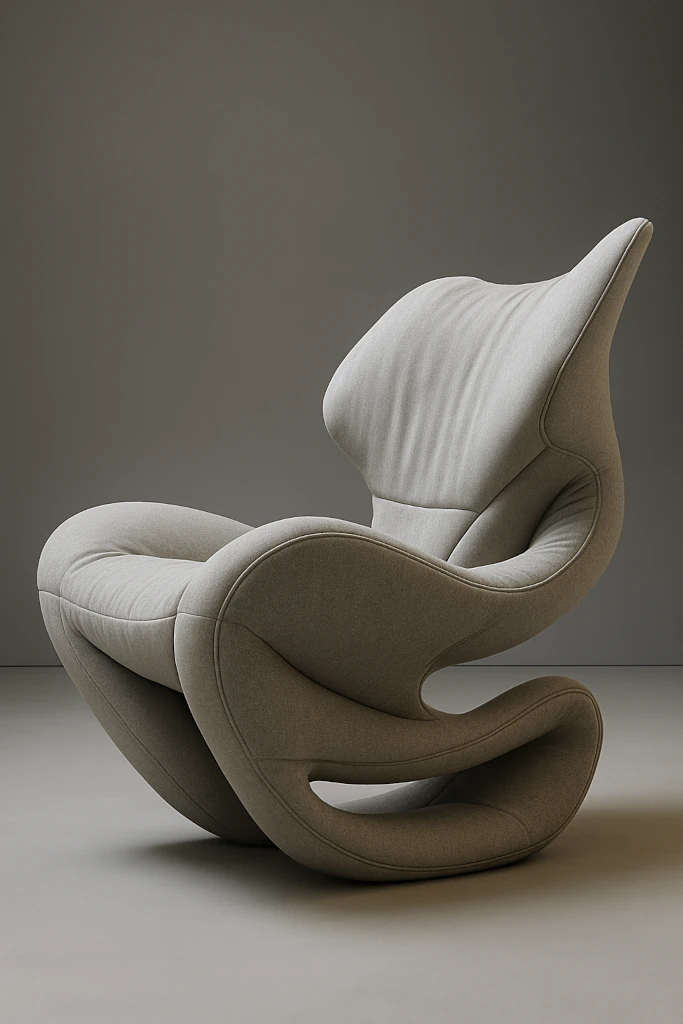
Through this method, a series of fluid and parametric furniture concepts has been developed — sculptural seats, continuous-surface tables, ultra-light components and hybrid furniture-architectures — each emerging from the same algorithmic logic of responsive form. The result is a family of designs that are not “styled” after the fact, but grown from structural intelligence, material behaviour and data-derived principles.
By consolidating research, ideation, modelling and prototyping into a unified pipeline, this design-tech process enables a significant reduction in development time and cost, while simultaneously increasing design precision and manufacturability. It is conceived as a future-facing approach to furniture innovation — one in which computational reasoning, parametric authorship and AI co-create a new spatial vocabulary for advanced material culture.