Micro logistics
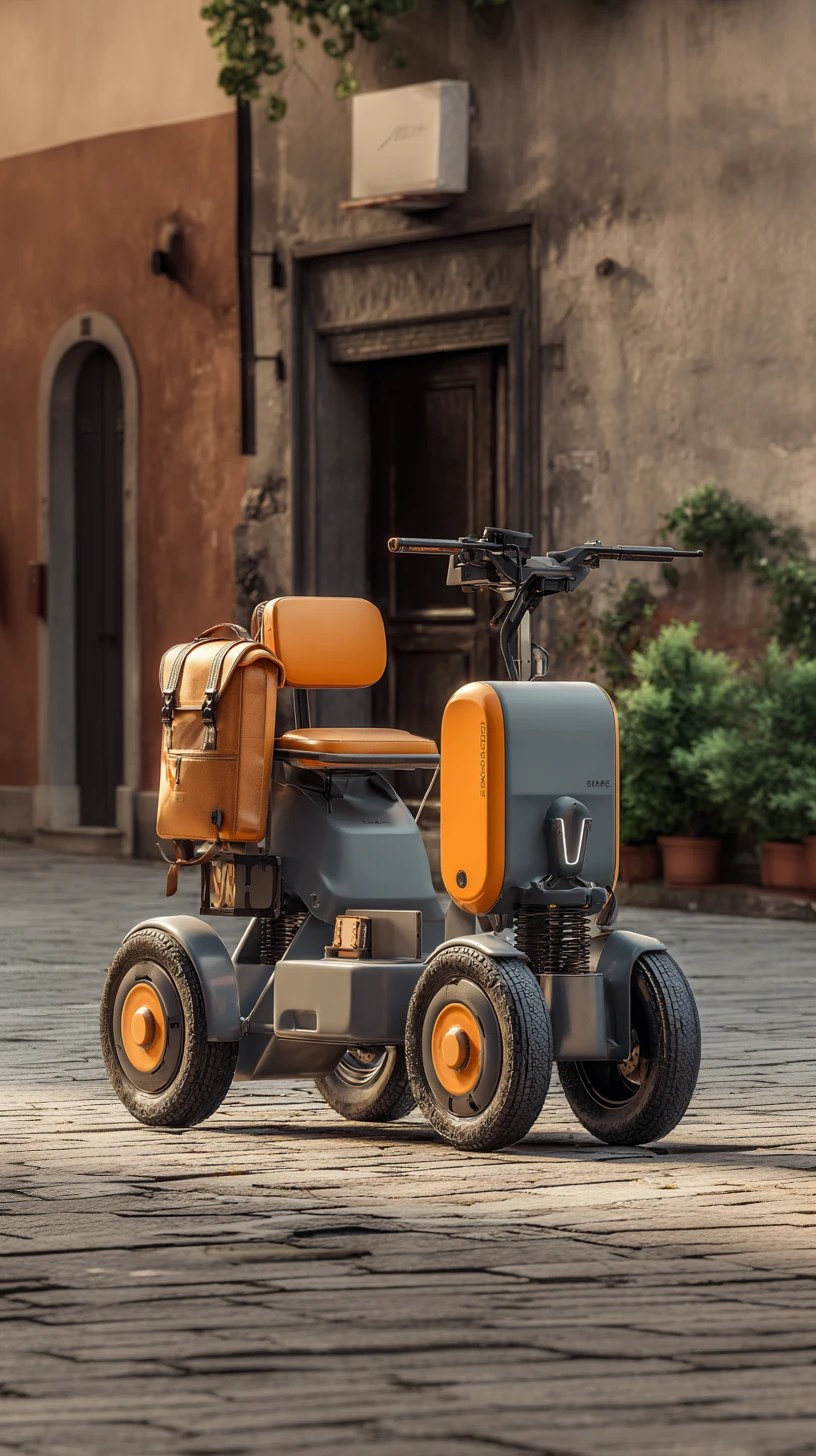
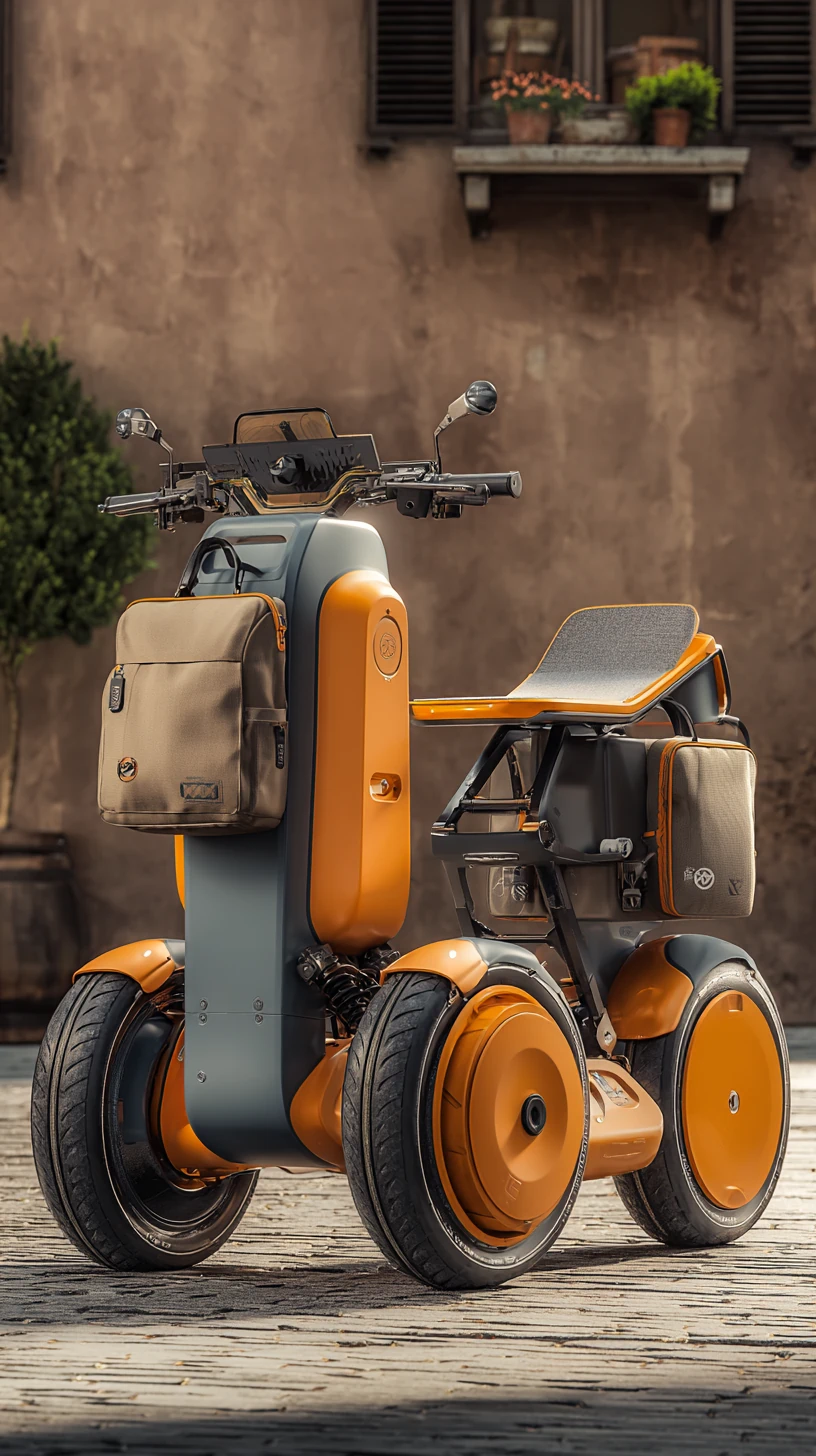
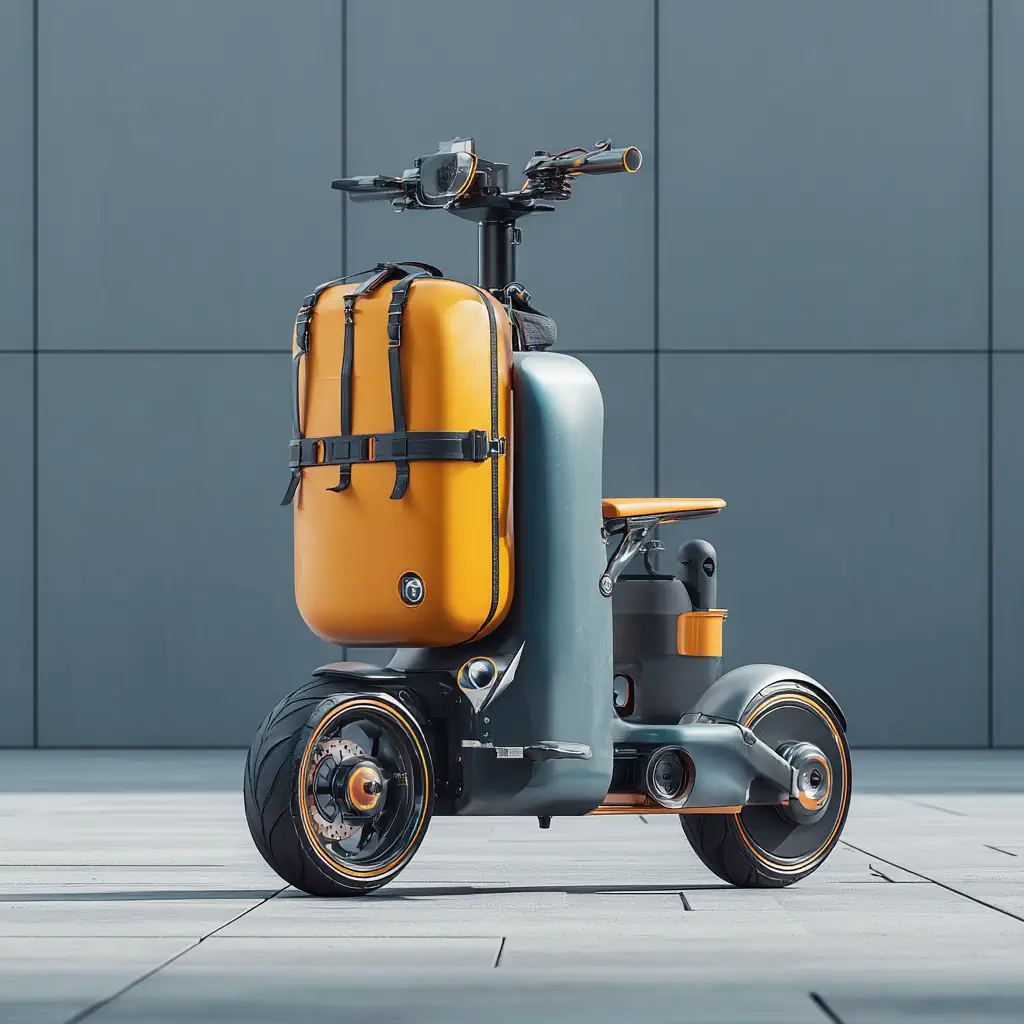
MICROLOGISTICS explores a new generation of urban mobility concepts that merge electric, hybrid, autonomous and human-driven modes into flexible, adaptive solutions for contemporary cities. These concepts imagine multifunctional vehicles — from micro-scooters with integrated cargo tools to self-moving sofas for short-range transport — designed to respond to dense urban environments, low-speed city policies, and emerging ecological expectations.
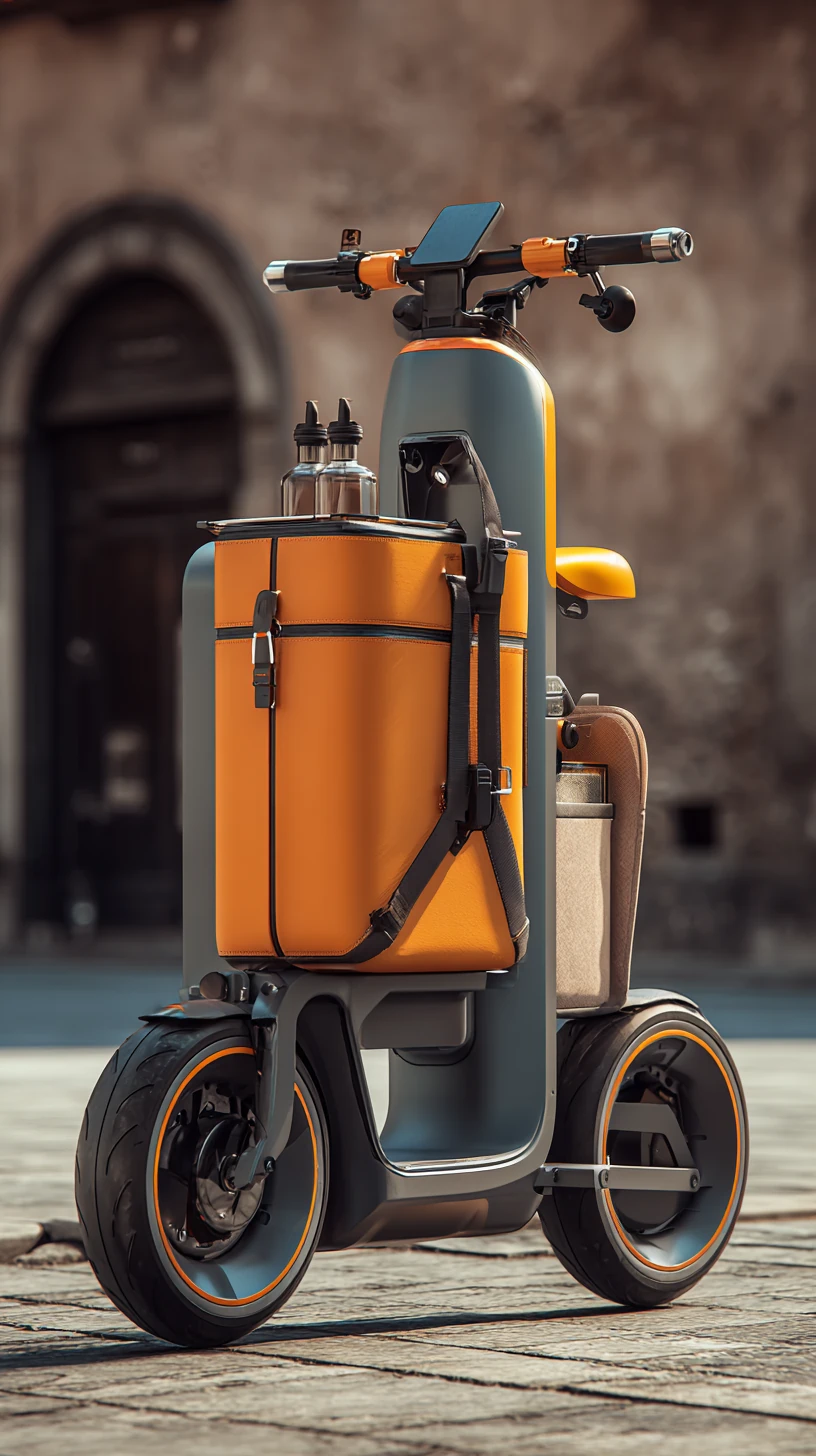
Utility&Cargo Scooters
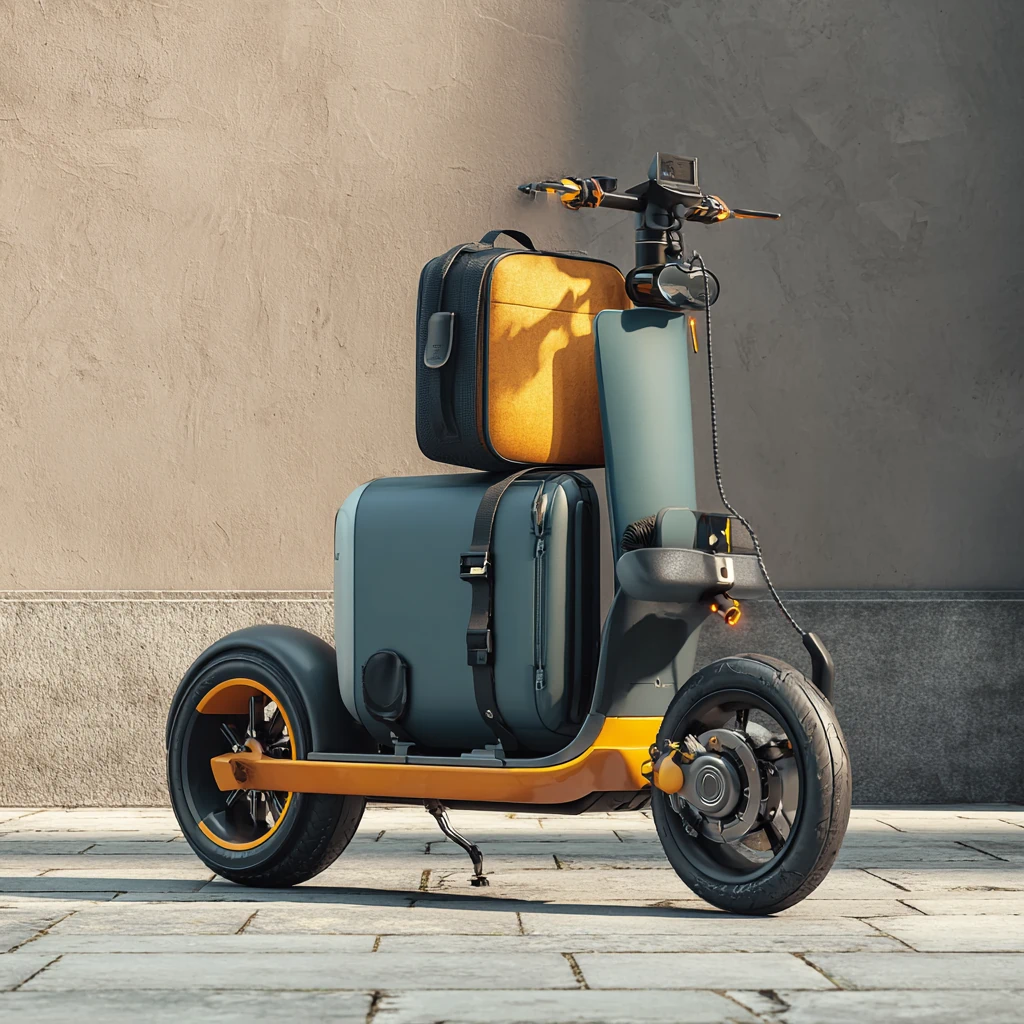
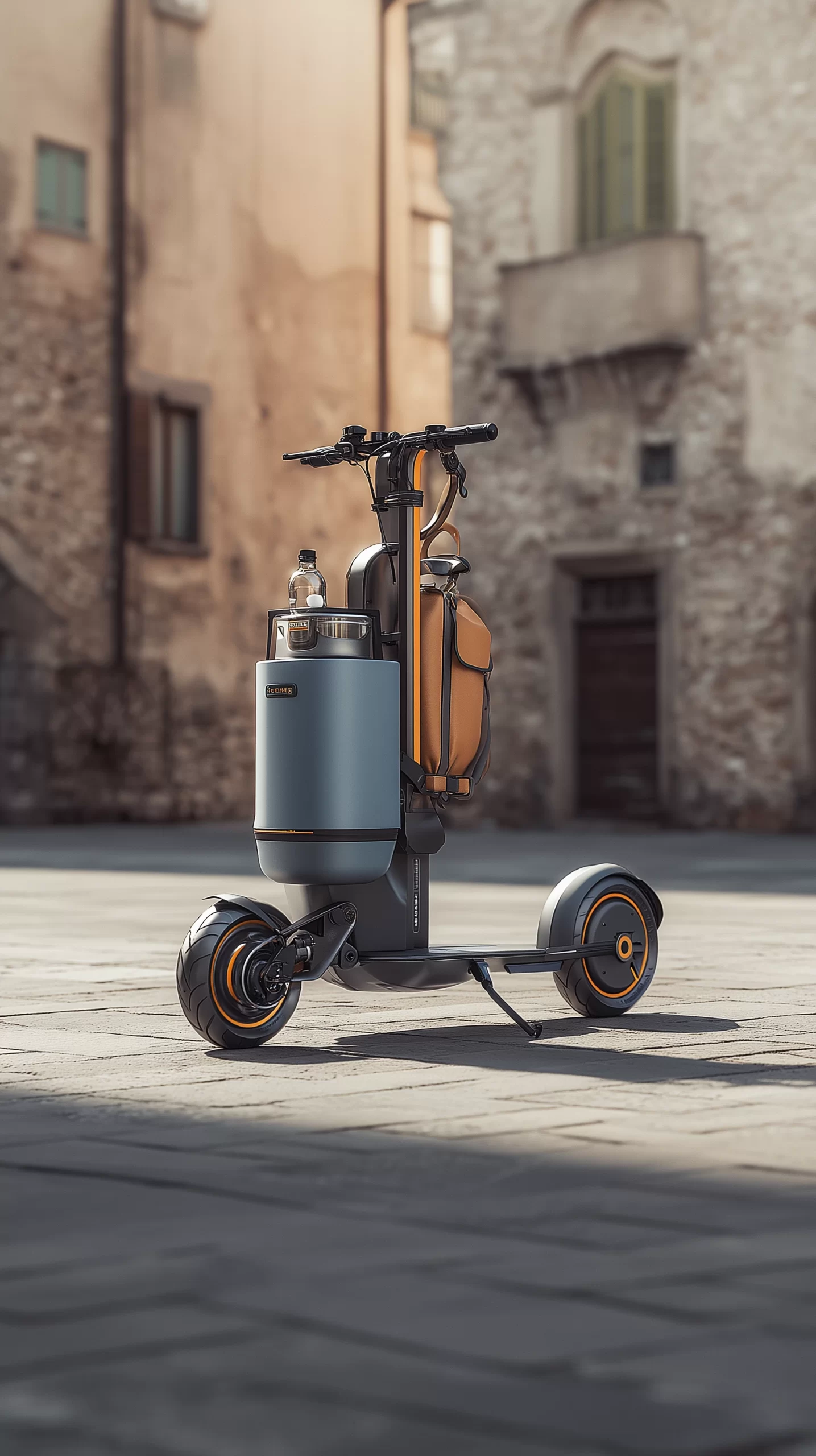
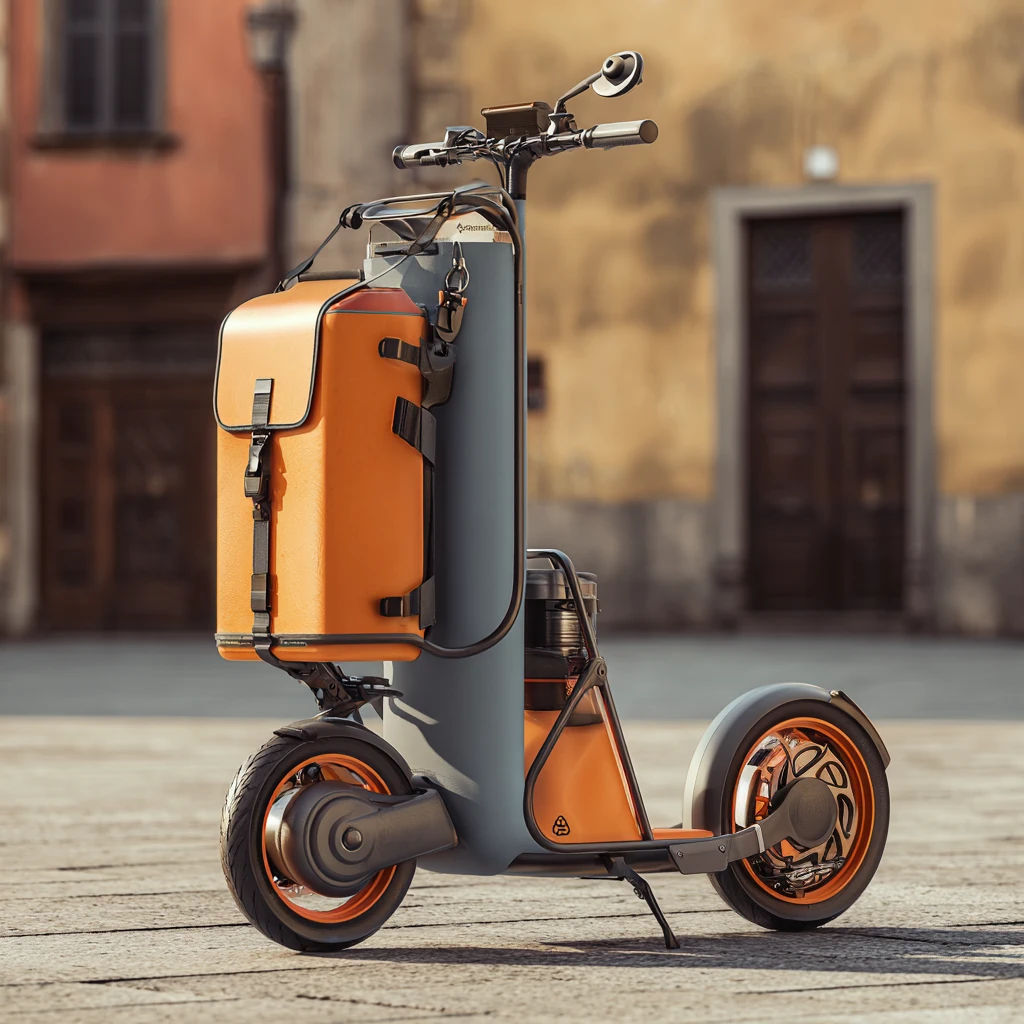
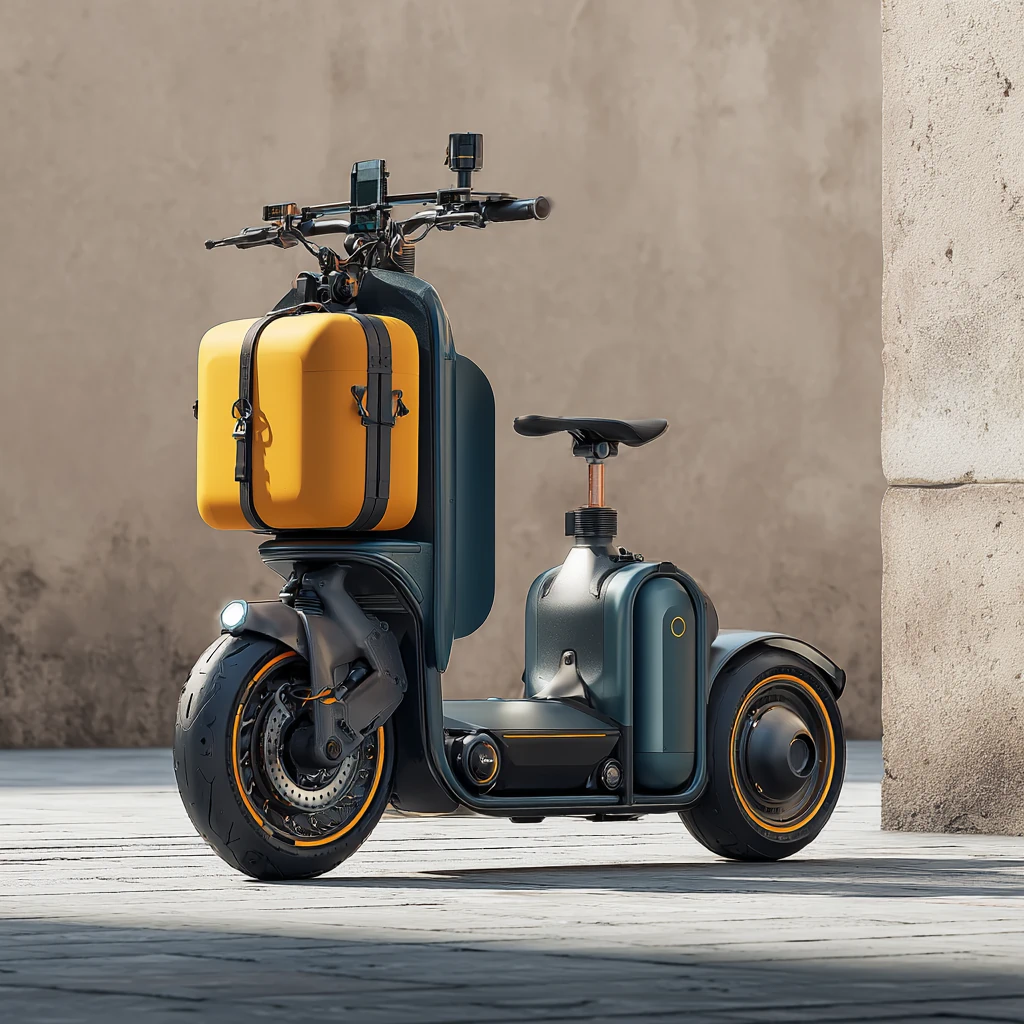
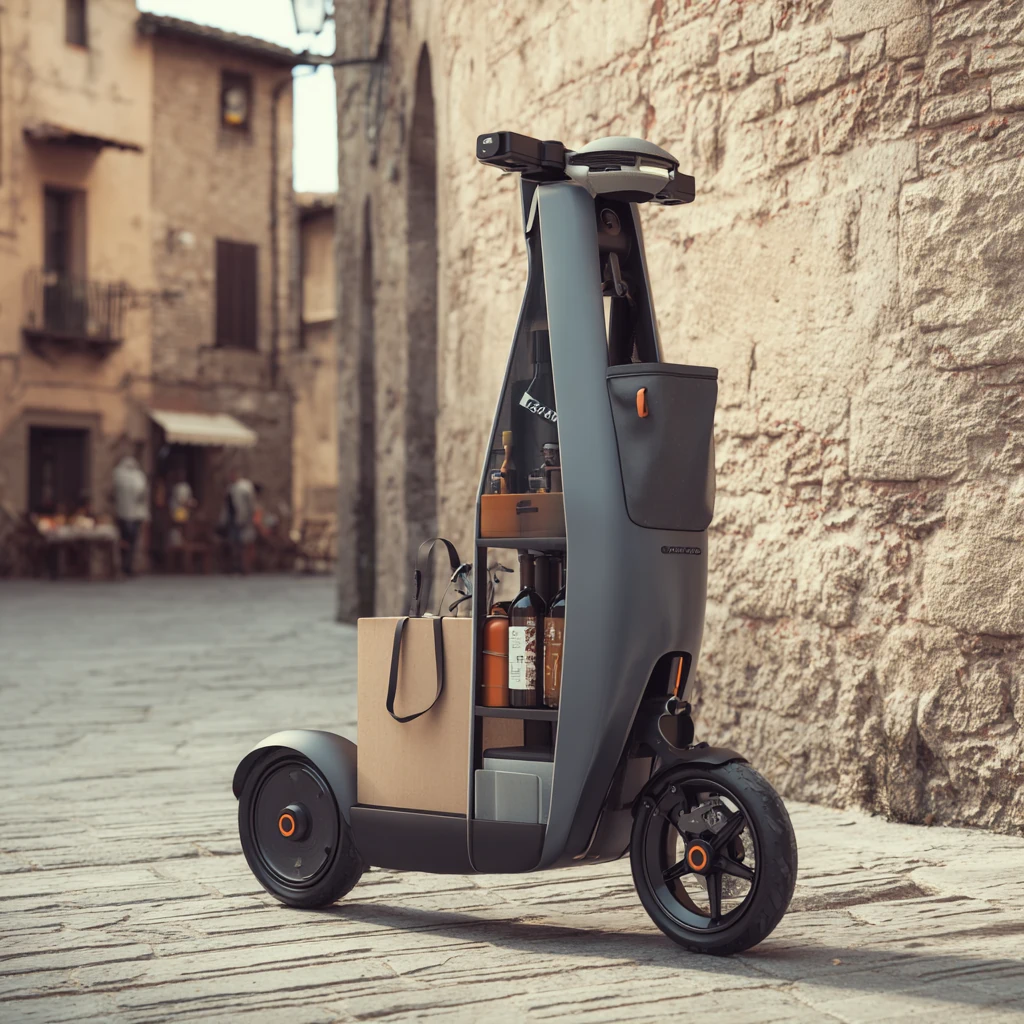
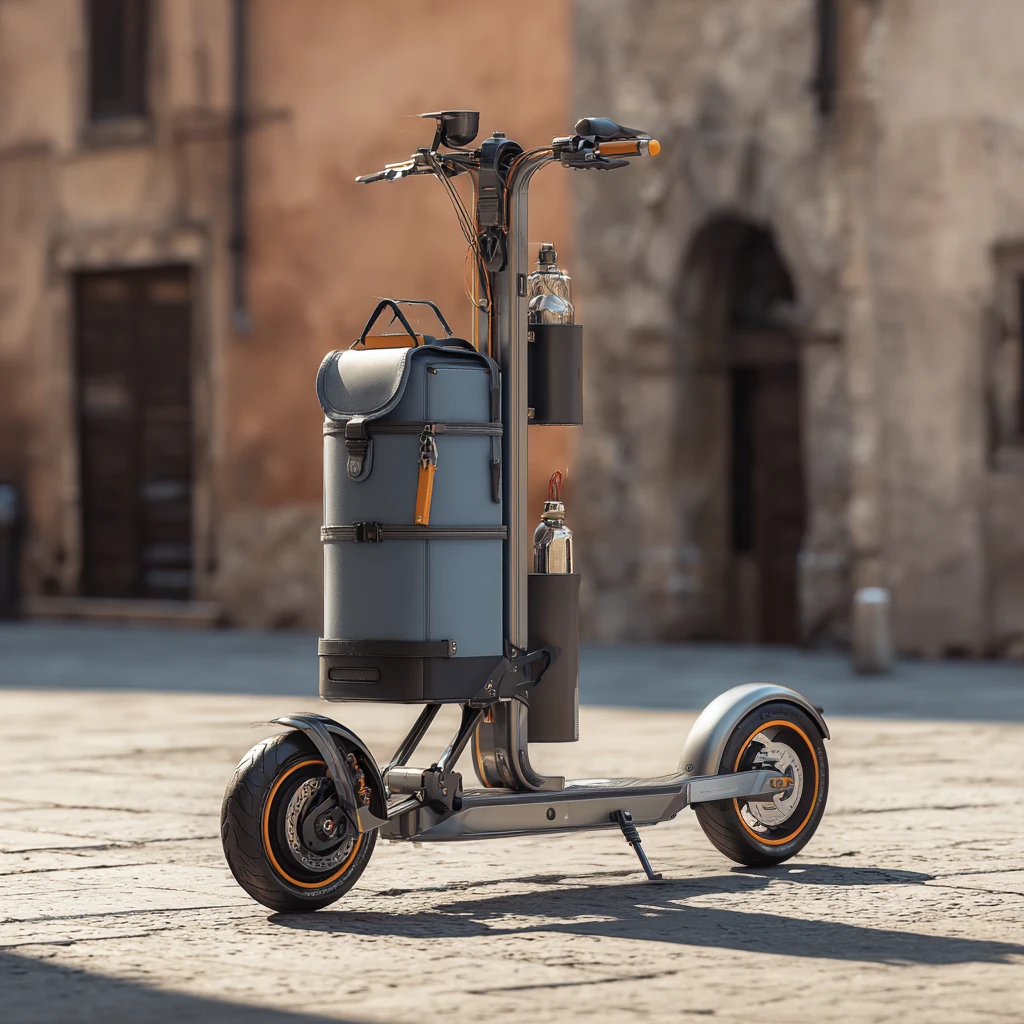
Studies show that the future of mobility requires rethinking transportation not only as movement, but as an ecosystem of modular services capable of combining people, goods, and micro-logistics. Research highlights the need for hybrid, low-impact vehicles that integrate delivery, personal mobility, and shared functions, creating systems that reduce congestion, optimize space, and support sustainable urban transitions.
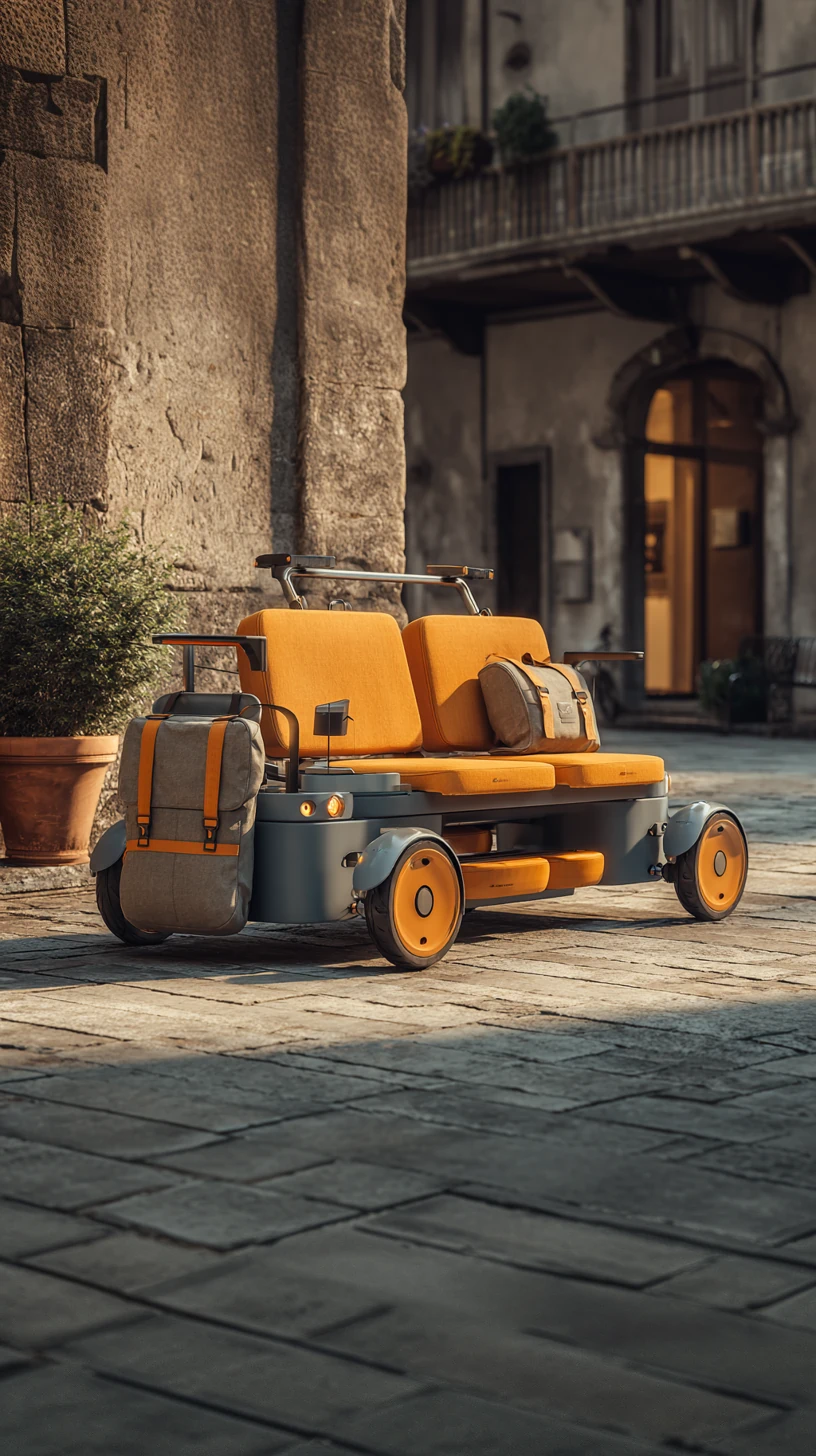
Self-Driving Sofas
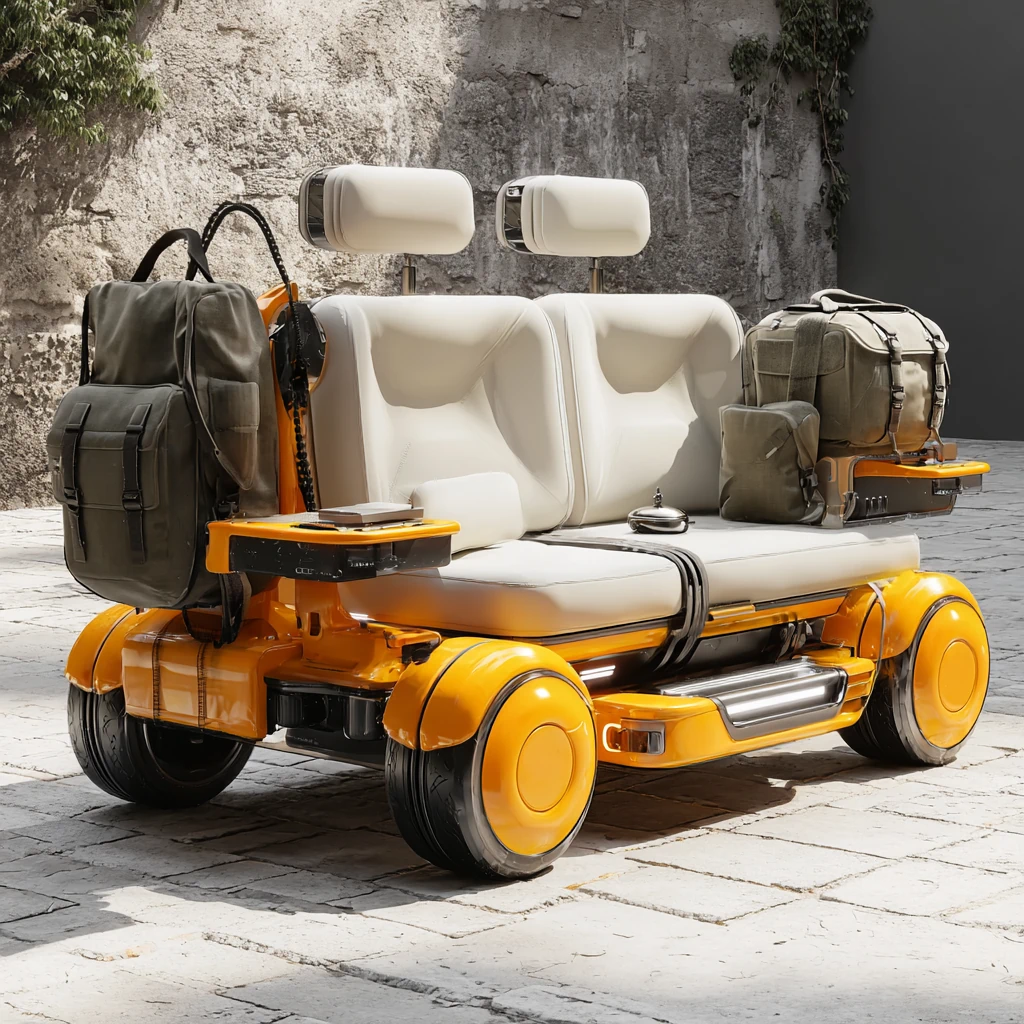
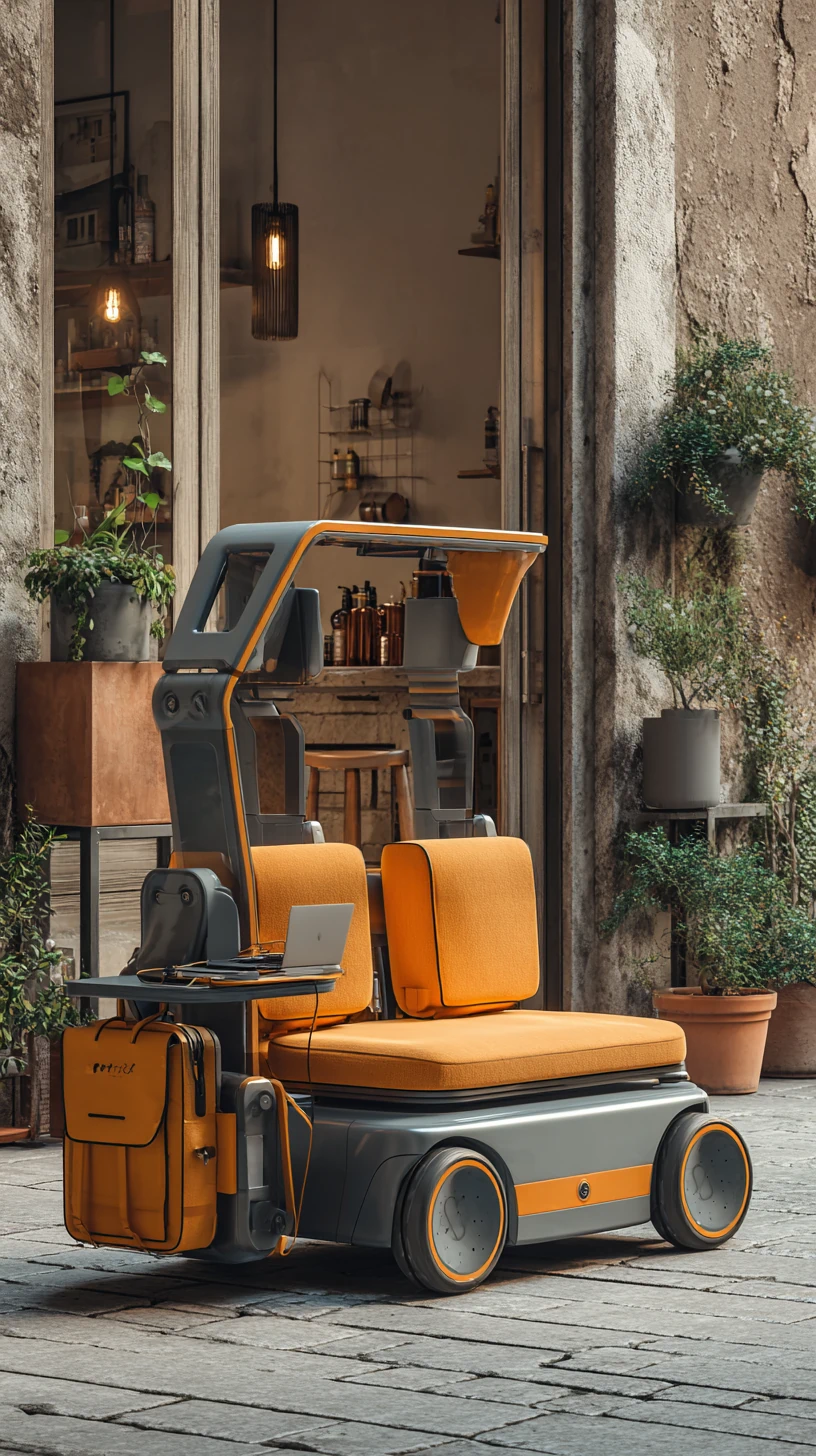
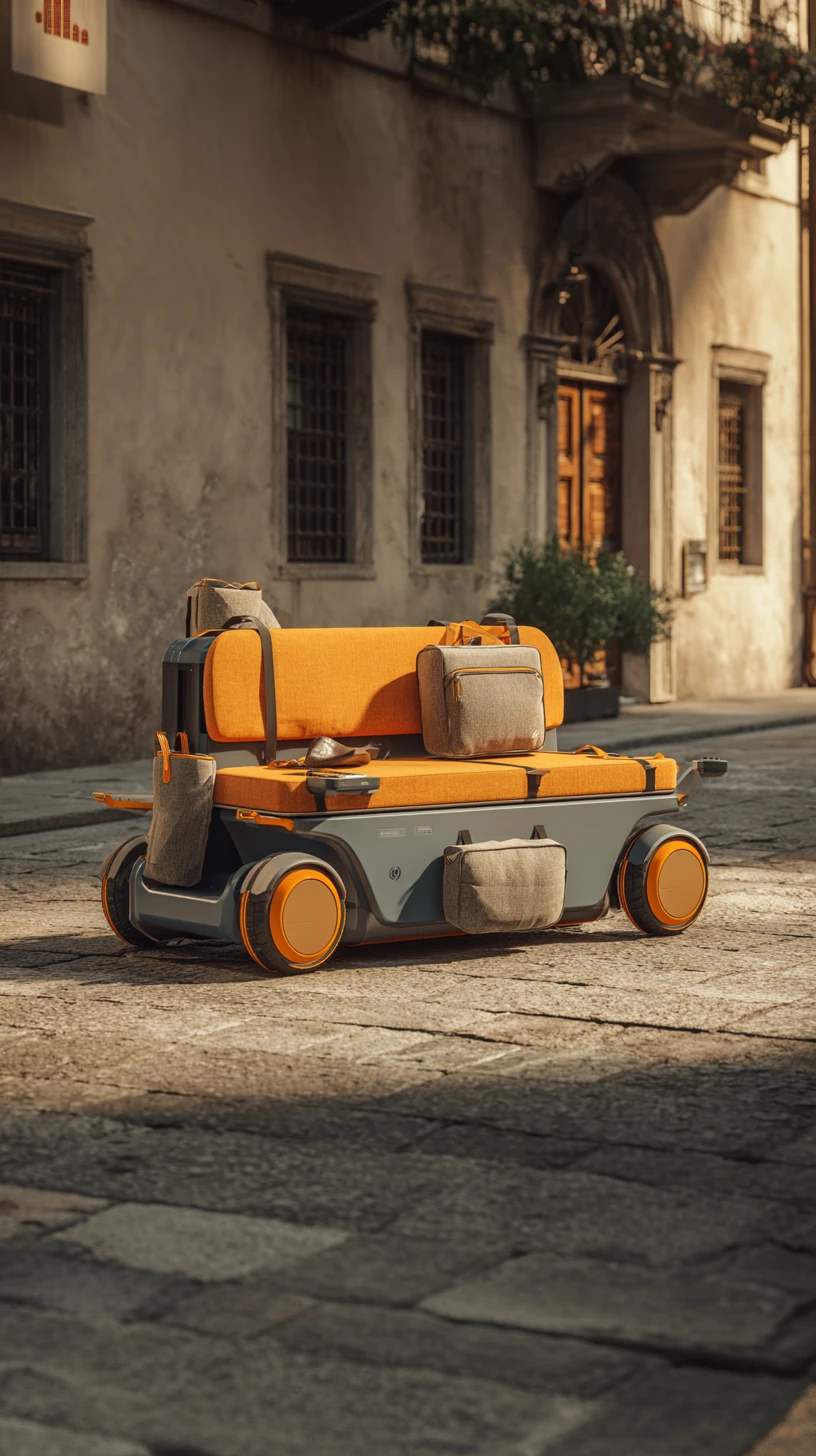
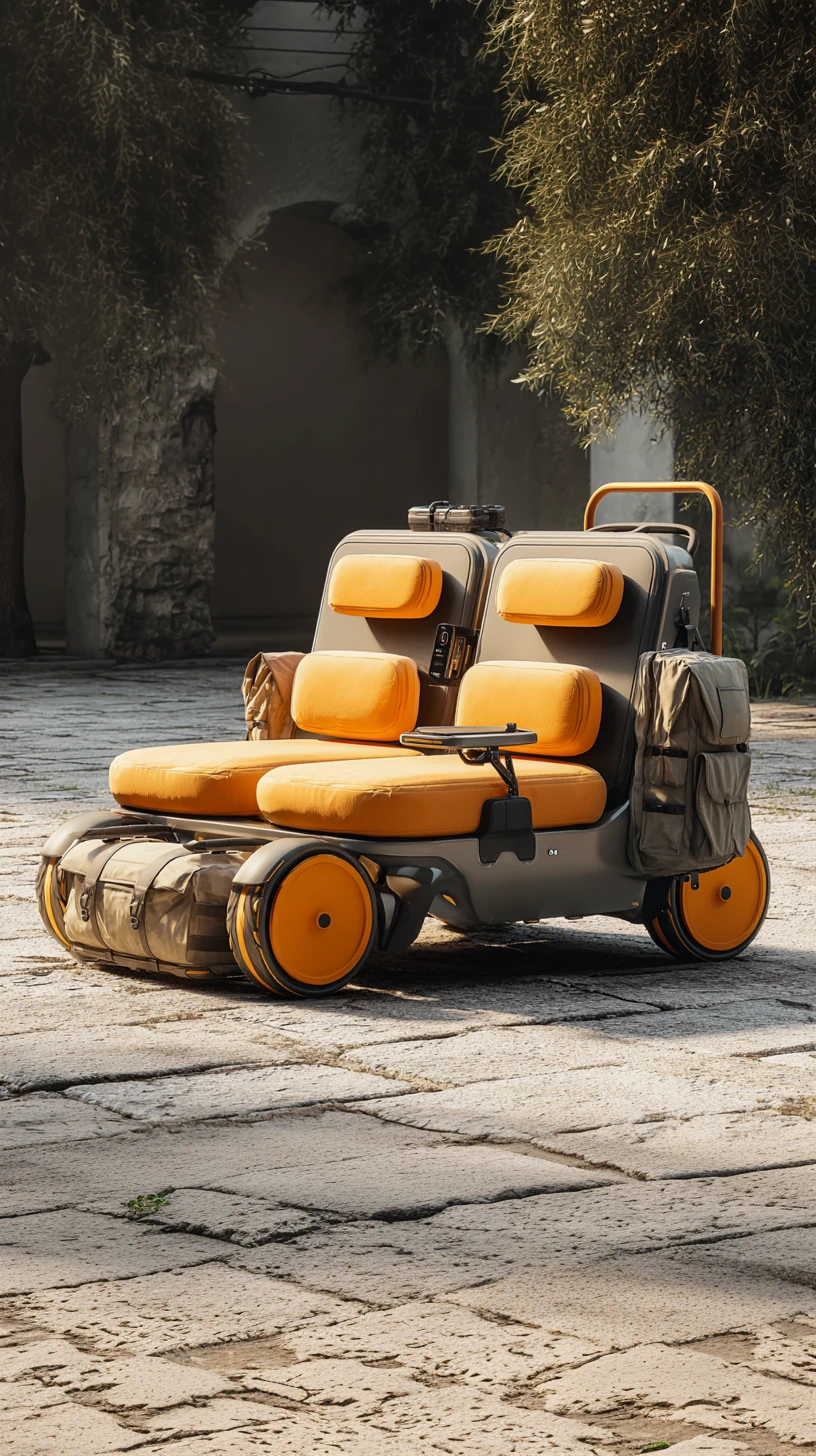

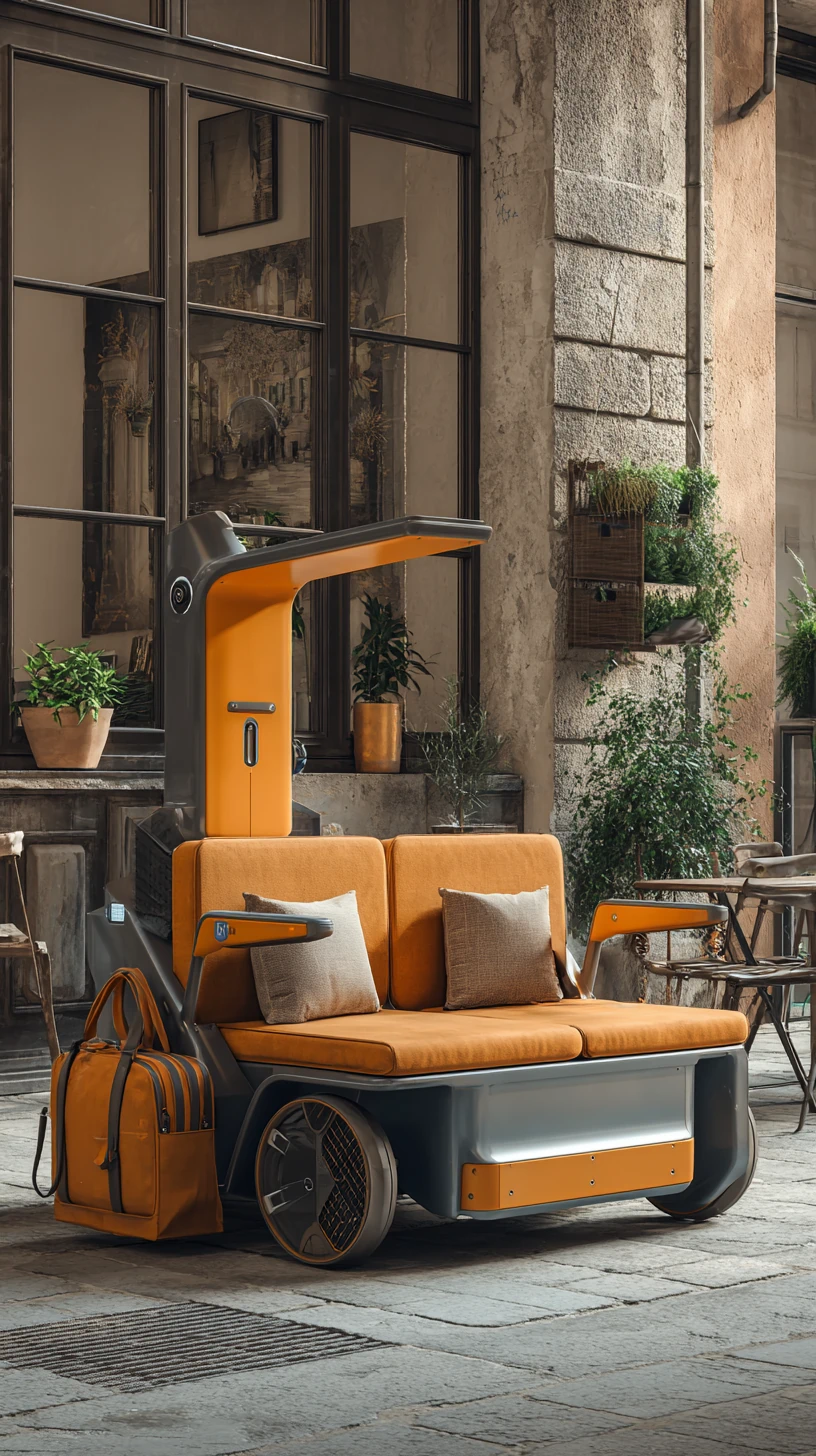
In this sense, MICROLOGISTICS proposes speculative yet plausible directions: compact vehicles that transform their geometry to carry items, soft-mobility devices embedded with tools, and hybrid electric platforms that adapt to different urban tasks. These concepts do not claim to predict the future but aim to open possibilities — encouraging experimentation with new micro-urban mobility functions suited for ecological constraints, small-scale logistics, and the everyday needs of 30-km/h human-centered cities.
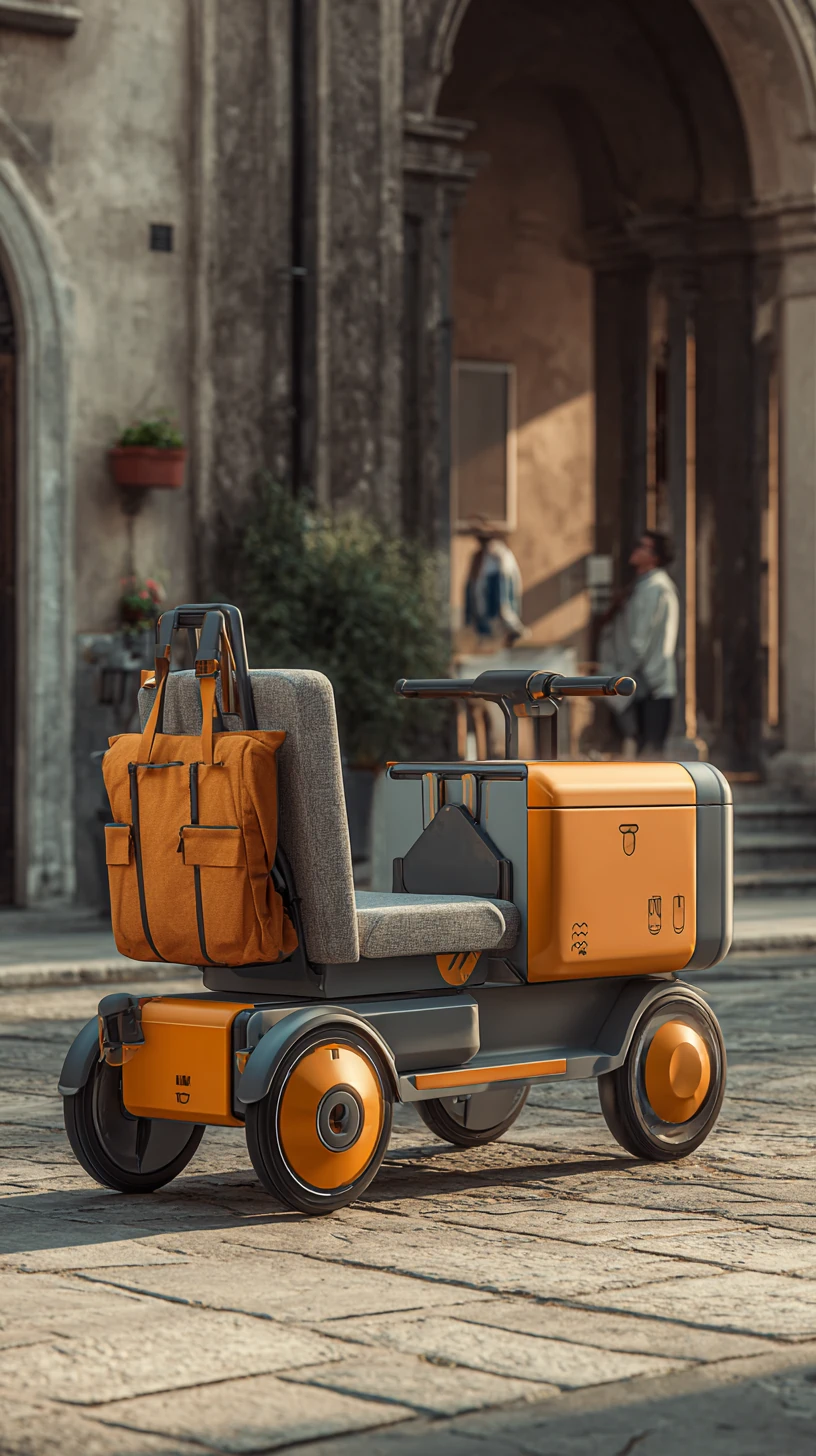
Micro-Mobility Carts